There’s a moment on every Rwanda safari trek when the guide stops talking about gorillas and starts talking about everything else. For example, the way mist moves through bamboo forest, why certain trails are avoided after rainfall, which lodges allow you to hear the jungle at night instead of a generator, etc.
This is the part of Wilderness Safaris Rwanda that rarely makes it into the brochure. It’s what separates a good safari journey from one you talk about for years.
The Terrain Talks — If You Know How to Listen
Rwanda’s volcanic slopes are the living systems that change by the hour. Experienced safari guides read the land the way pilots read weather. However, a subtle change in soil texture signals a muddy descent ahead; a change in birdsong can mean a troop is nearby.
Most visitors never learn this as it isn’t something a map can show you. It’s earned through repetition, through guides who’ve walked the same ridgelines hundreds of times and know them the way you know about your own street.

Why Timing Becomes More Essential
You can ask any local safari operator, and they’ll tell you that the departure time changes everything. Leave twenty minutes later than recommended; otherwise, you might miss the golden window when primates are most active and least shy.
This is why Africa safari trips are designed at the time when Rwanda tends to schedule such early starts. It’s because the animals genuinely behave differently before the heat sets in. It’s a small detail and the difference between a distant sighting and an encounter that feels personal.
The Comparison Nobody Warns You About
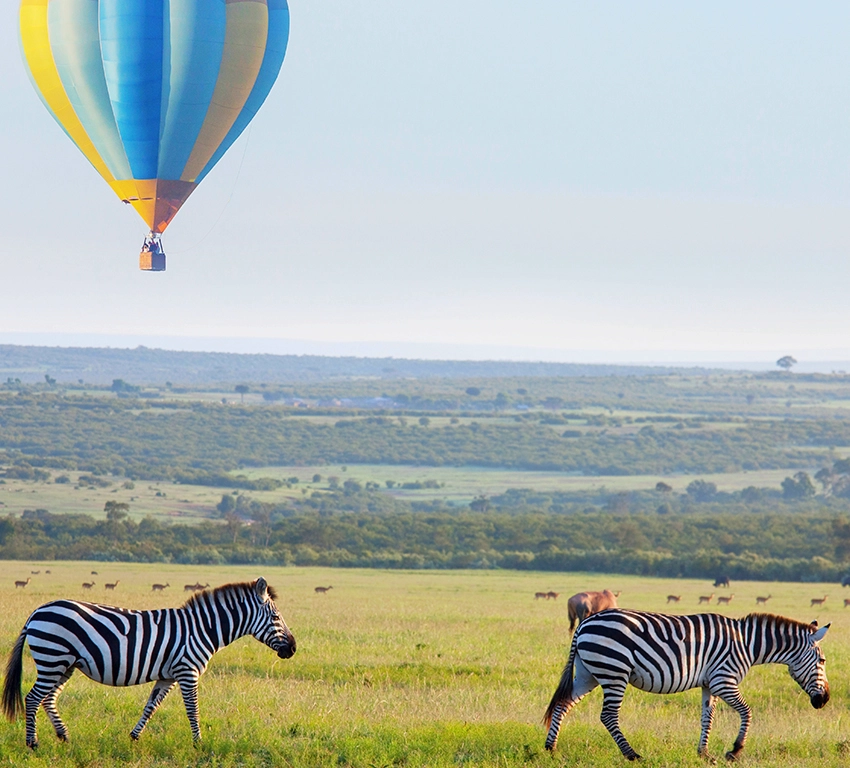
Safari enthusiasts researching options often lump Rwanda into broader East African itineraries, assuming the experience is interchangeable. In reality, it isn’t. Compared with the wide-open plains typical of African safari tours in Kenya, Rwanda is intimate, vertical, and quiet in a way that affects the entire rhythm of a day.

There’s less driving, enough walking, and closeness to wildlife that comes from proximity rather than distance. They are just different kinds of immersion, and knowing which one you want matters before you book.
What Your Camera Won’t Capture
Photographers chasing that perfect gorilla portrait often underestimate how quickly light changes under forest canopy. The instinct most travelers bring over from Kenya photography safaris, like wide shots, long lenses, and patient distance; which don’t always translate here.
Rwanda rewards fast reflexes, wider apertures, and a willingness to shoot in bursts. It’s because the window closes quickly. Safari guides who’ve watched hundreds of visitors fumble this moment will often help you learn through it if you simply ask.
The Main Reason People Come Back
It’s rarely the photos most people mention when they talk about Rwanda again. It’s the safari guide who noticed a chameleon nobody else saw, or the silence right before a silverback moved.
Wilderness safaris in Rwanda are not really about ticking a box. Rather, they are about the accumulated small yet precious moments a good guide chooses to share, or doesn’t, depending on how closely you’re focusing on them.
If you’re ready to experience that firsthand, please reach out to Safari Seekers Africa today. Let’s start planning a trip built around those moments, not just the safari tour itinerary.