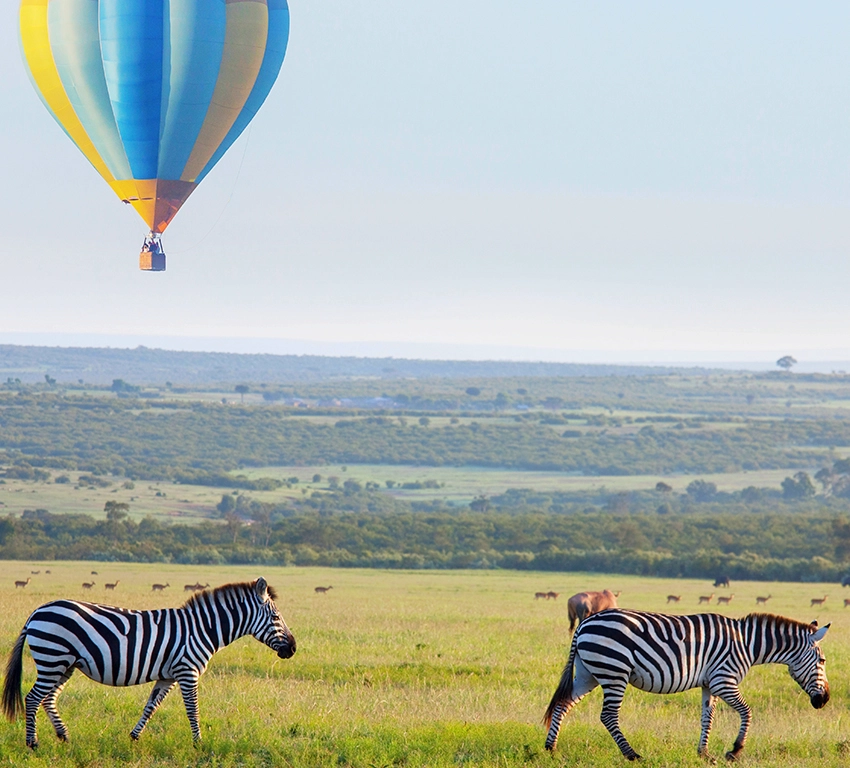
Travelers arrive in Kenya every year with a camera bag full of gear and a mental image built entirely from documentaries. They include slow-motion cheetah sprints, golden light, and perfectly framed prides of lions.
After that, the first game drive happens, and reality moves faster than expected. The biggest mistake first-timers make is assuming Kenya will wait for them to catch up.
The Trap of Over-Preparing for the Wrong Thing
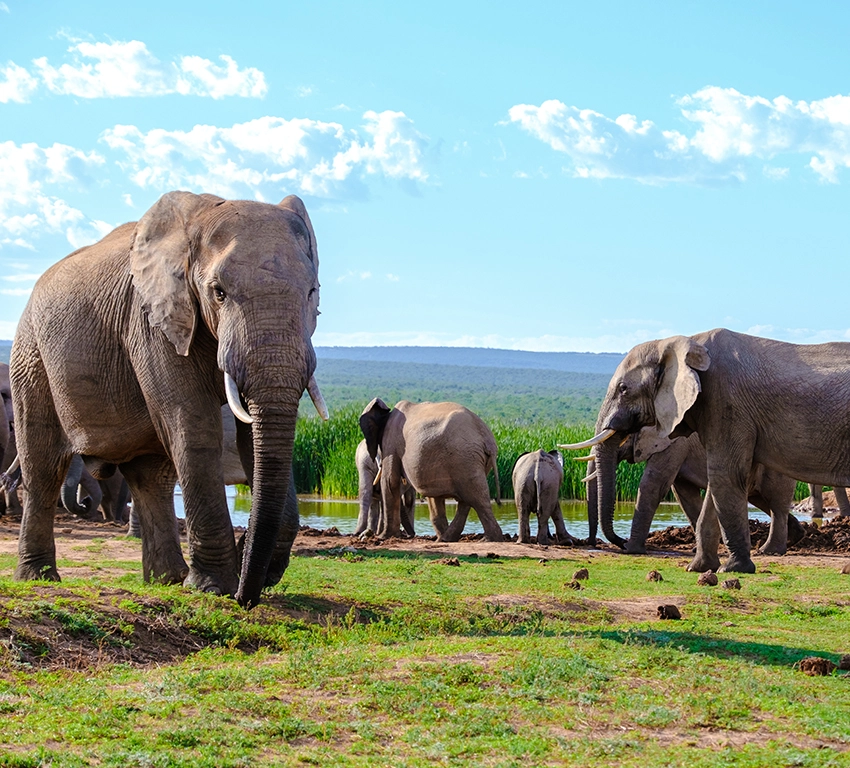
Most newcomers often spend weeks researching camera settings and barely think about pacing. They arrive obsessing over aperture and ISO and freeze the moment an elephant herd appears closer than expected or a leopard shifts position in three seconds flat.
Kenya photographic safaris reward reflexes far more than perfect technical knowledge. The animals don’t pose, and light doesn’t linger. The traveler who succeeds is the one who’s mentally rehearsed reacting quickly, not just adjusting dials.

Why Distance Fools Almost Everyone
Most guides mention it constantly, but photographers rarely believe it until they experience it, i.e., distance in the bush is deceptive. A comfortable fifty meters through a viewfinder can be much closer, and animals read body language, not intentions.
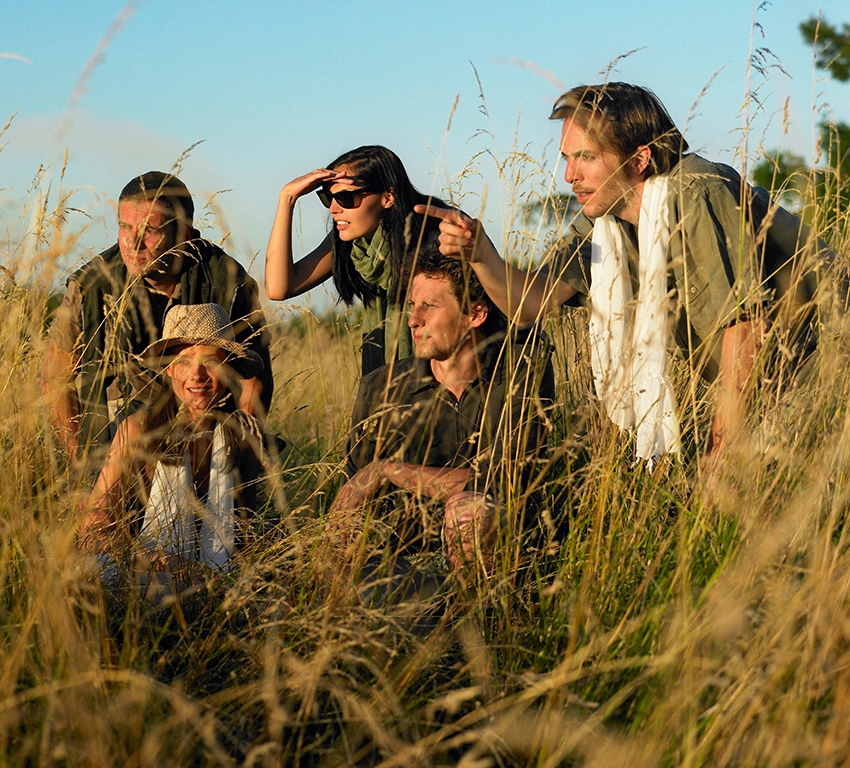
First-timers often lean out of vehicles or make sudden movements while chasing a better angle and being unaware that stillness is what produces the shot they’re after. Seasoned guides on African safari tours in Kenya often teach guests through this exact instinct before it costs them a moment or worse, spooks the animal entirely.

The Light Nobody Warns You About
Kenya’s light changes dramatically within a single hour, and new photographers consistently underestimate how much that changes a shot. Midday sun flattens everything into harsh contrast and the window right after sunrise wraps the landscape in a kind of clarity that’s almost unfair to miss. This is a significant advantage of structuring longer East Africa Safaris. So, more mornings lead to more chances to be present when the light does something extraordinary, rather than hoping to get lucky once.
Comparing Notes – Bush versus Coastline
Photographers who’ve only captured inland terrain are often surprised by how different composition becomes once water enters the frame. An itinerary built around an East Africa safari & coast experience forces a completely different visual rhythm, including wide horizons, reflections, and softer color palettes replacing dust and grass.

It’s a reminder that Kenya isn’t one photographic experience; instead, it’s several, stitched together. The best shots often come from travelers willing to adjust their eye rather than forcing one style everywhere.
What Separates Good Shots From Forgettable Ones
The real lesson most first-timers learn too late is that patience is more essential than preparation. Sitting quietly near a waterhole for twenty unremarkable minutes often leads to the one extraordinary frame. Photographic safaris in Kenya are all about trusting stillness enough to let the moment come to you.
If you’re planning your first trip and want an itinerary built around real photographic opportunities rather than rushed stops, please contact Safari Seekers Africa to design one that gives your camera and your patience; while offering enough room to work.