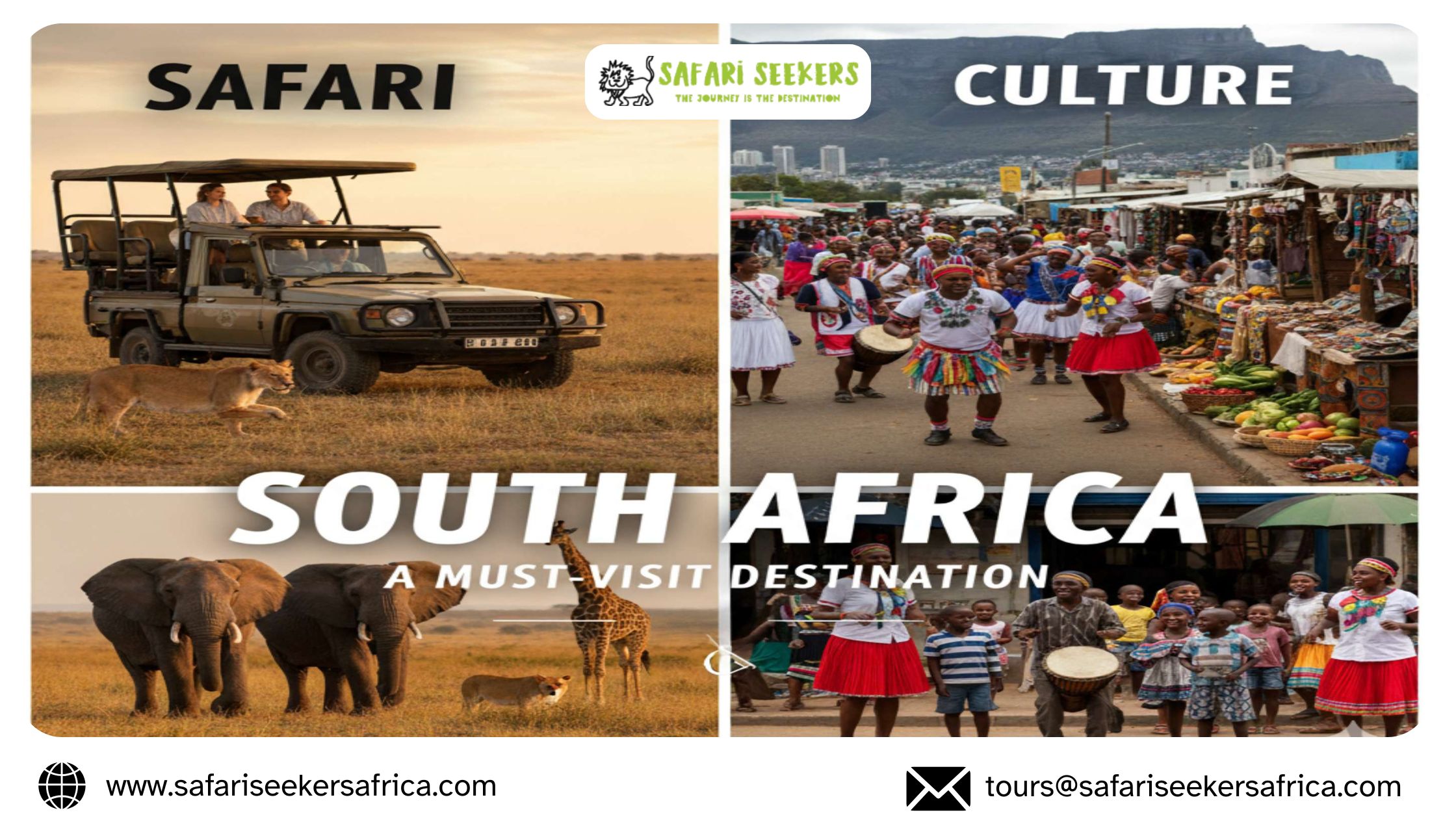
Why South Africa Is a Must-Visit Destination for Safari and Culture

When you think about Africa safari trips that combine culture too, South Africa often tops the list for all the best reasons. First, it has a unique assortment of regions that not only cater to safari wildlife but also offer deeply rooted regional cultures. It makes it the best spot not only for first-time travelers but also for those who have traveled to different regions of the world and feel the calling of rediscovery. From its world-class safari parks to its bustling metropolitan cities, South Africa is the best for pristine African adventures.

A Land of Wildlife Wonders

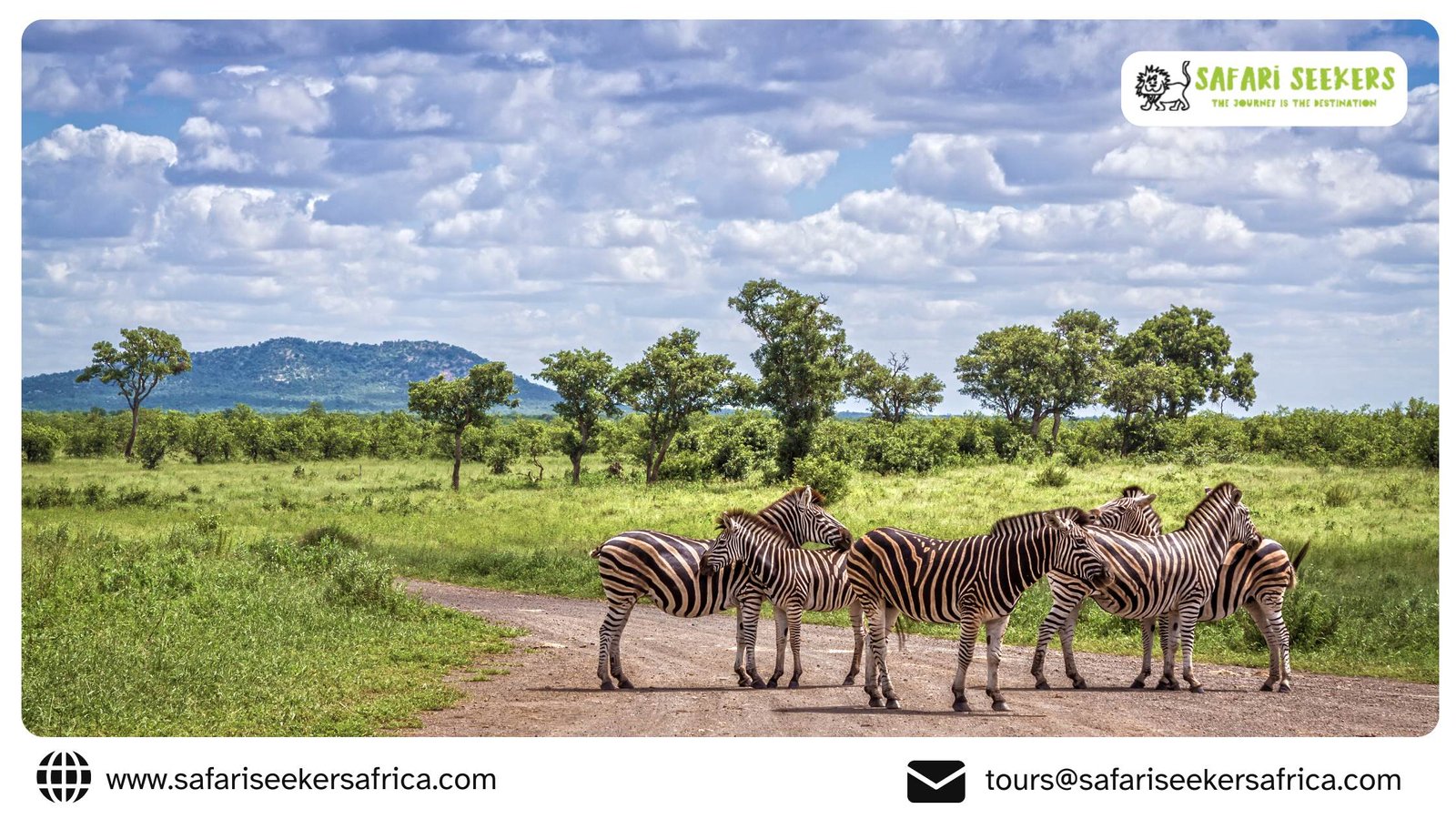
Kruger National Park is most preferred for safaris, as it is home to many wildlife wonders. It offers exclusive services that add to the charm of the wildlife parks. If one wants the authentic Africa wild Safari experience, nobody comes close to the level of experiences offered in South Africa. Whether it is the warm morning game drives or the peaceful sunset bush walks, the sheer number and variation in wildlife encounters leave one spoilt for choice.

A Rich Blend of Cultures  

The defining features of South Africa are the stunning wildlife and its status as a cultural melting pot. The country proudly boasts eleven official languages, each representing unique traditions and communities. Visitors can enjoy the Zulu and Xhosa heritages as well as the vibrant Cape Malay cultures. After a day of safari, one can explore local cuisine in the culturally rich towns of Johannesburg and Cape Town, experiencing the blend of education and adventure.
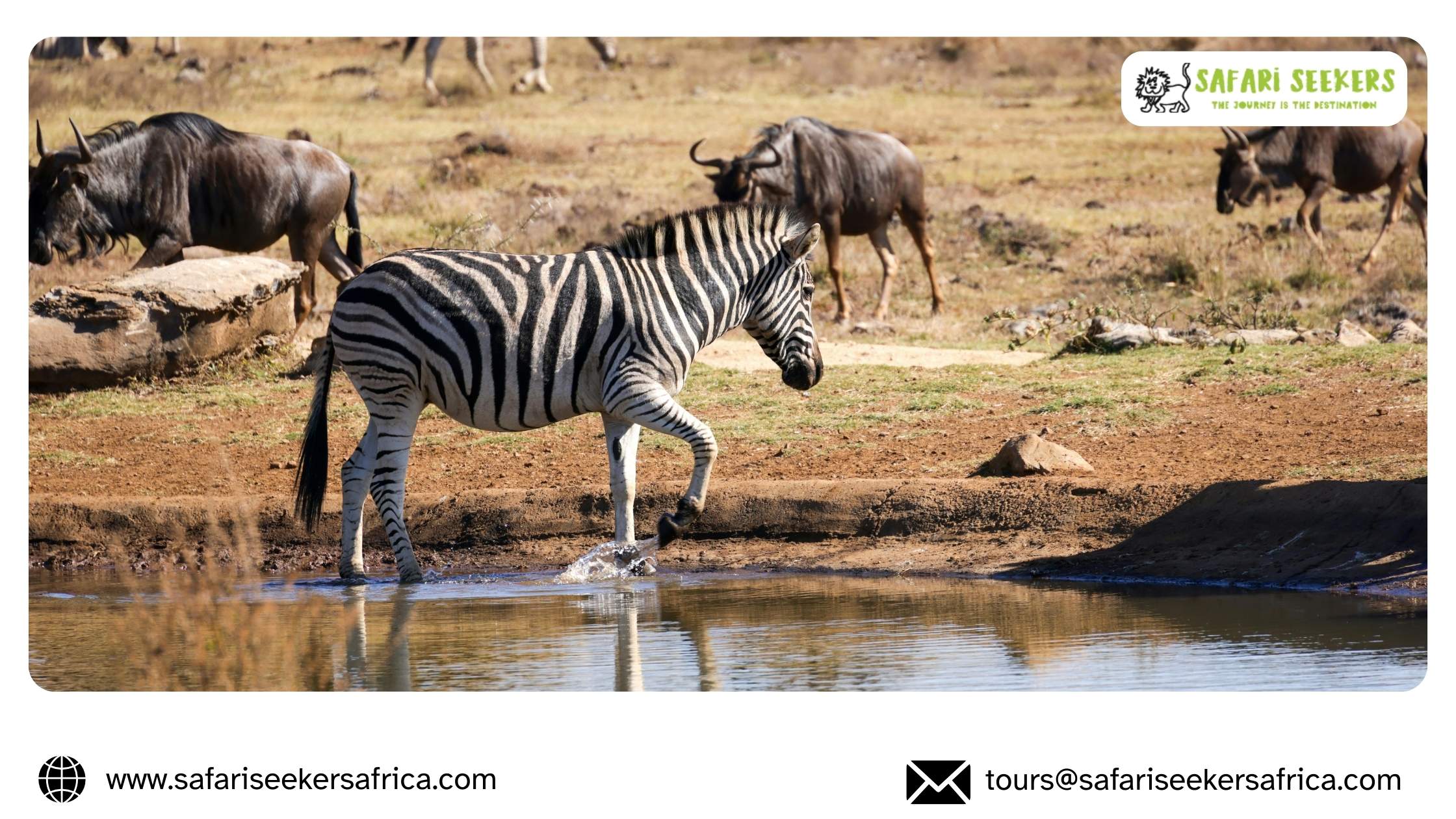
African Wildlife Safaris

Safari Meets Coastline

Do you know that South Africa is best for a safari and a relaxing coastal vacation? As is the case with the East Africa Safari & Coast itinerary, South Africa has put together something similar. After safari drives through the bush tracking wildlife, you can head to the Garden Route, Cape Town’s beaches, or the Wild Coast for relaxation.

No two days will be the same, as the seamless mix of vistas guarantees a fresh visual setting daily.

Why South Africa Captivates Every Traveler

If you travel alone, are on a honeymoon, or have young children, South Africa is a perfect fit for you: it has safaris and culture tailored to each of these groups. Those seeking luxury can indulge in high-end lodges, while parks such as Kruger offer self-driving tours perfect for the budget-conscious. This level of accommodation is what makes it as attractive as Kenya Holiday Safaris, with unique offerings for all.
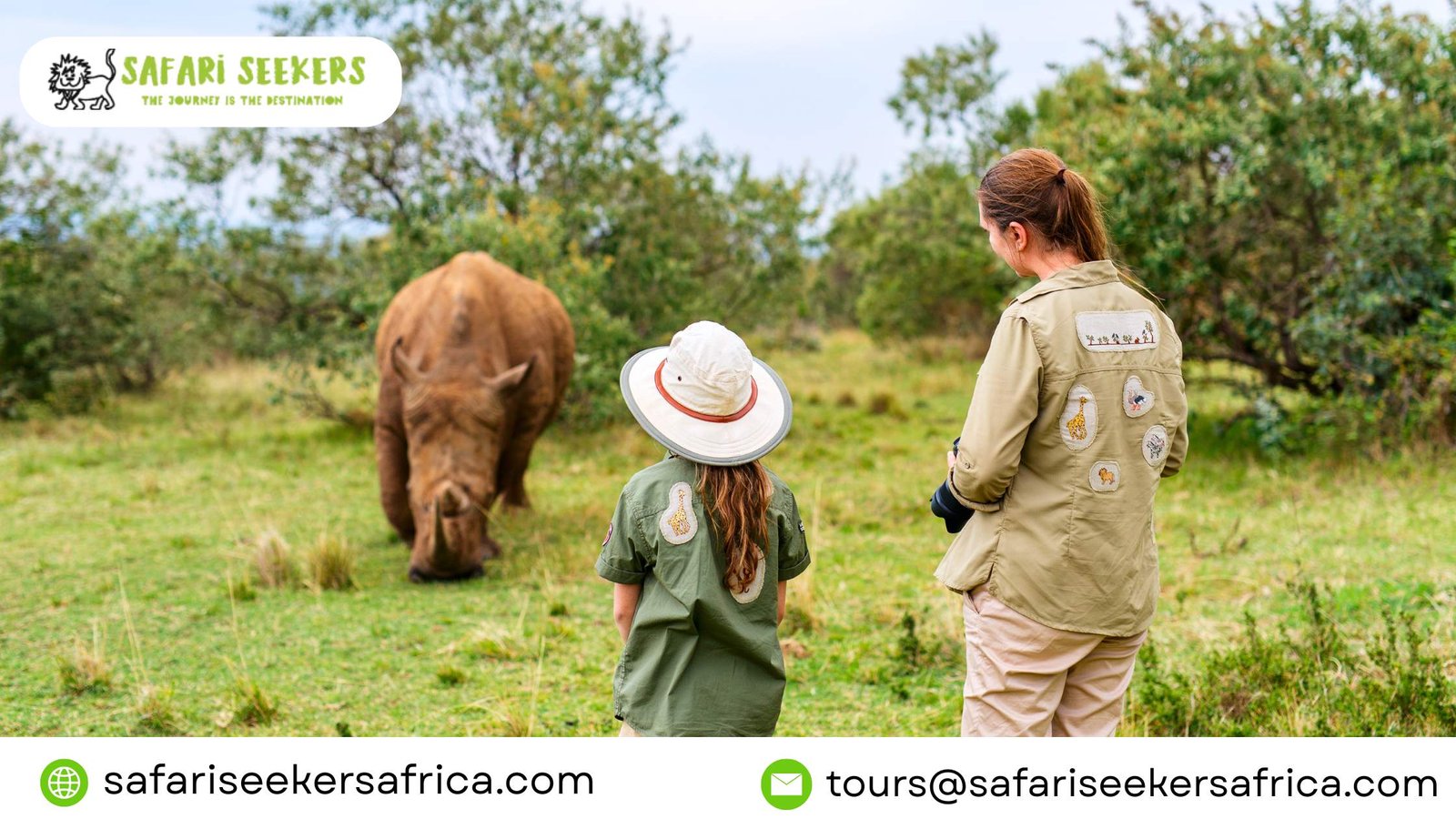
Wildlife Safaris

Travel That Transcends the Typical

The activities and sights you can find in South Africa are the main reasons it should be on your travel list. In just one visit, you can depart the iconic Drakensberg Mountains, visit the majestic vineyards of Stellenbosch, and transition from urban centers to quiet safari lodges. This kind of variety is the reason your African trip, in general, will be markedly thrilling and rewarding.

Conclusion:

South Africa is one of the most exciting places to consider when you want to enjoy the best Africa Safari Trips. On your trip, you can experience the excitement of an Africa Wild Safari mixed with extravagant cultural experiences and beautiful coastlines. South Africa has everything you could want from a kind experience, from watching wildlife at a world-class level to the lively experience of culture and shoreline.

At Safari Seekers, we can create a custom safari experience for you in Africa, whether in South Africa, Kenya, or other destinations. Let us design the best adventure and memory-making experiences.


When to Travel for the Best Game Viewing in East Africa

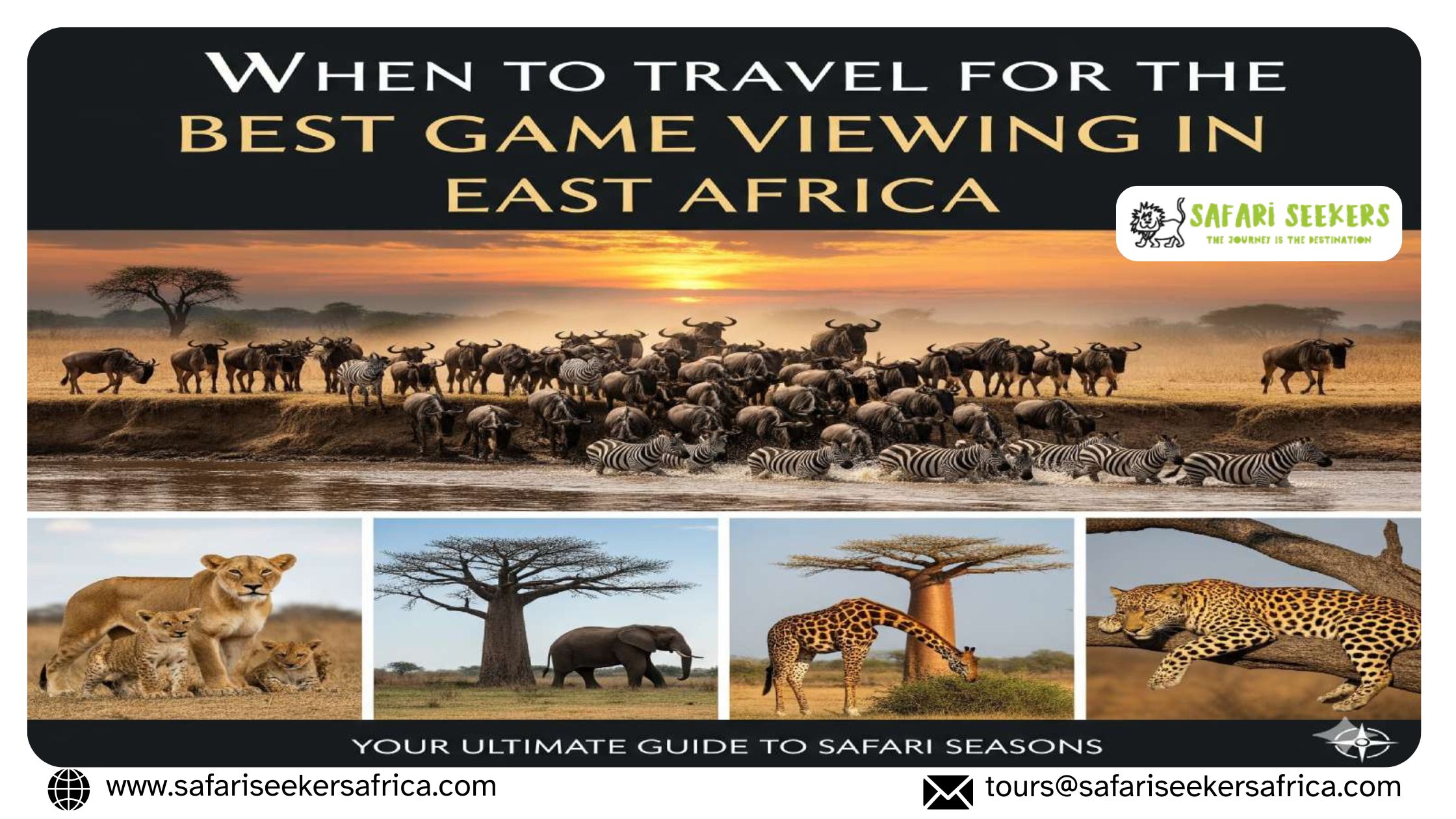
If you’re planning East Africa Safaris, the biggest question is usually when do I go? The truth is, the wildlife is always there, but some seasons simply give better shows than others. Picking your time right can be the difference between a quiet drive and watching a river crossing that makes your heart pound. Safari Seekers Africa helps travelers figure out those details, so the trip fits what they really want to see.

Dry months make animals easy to find

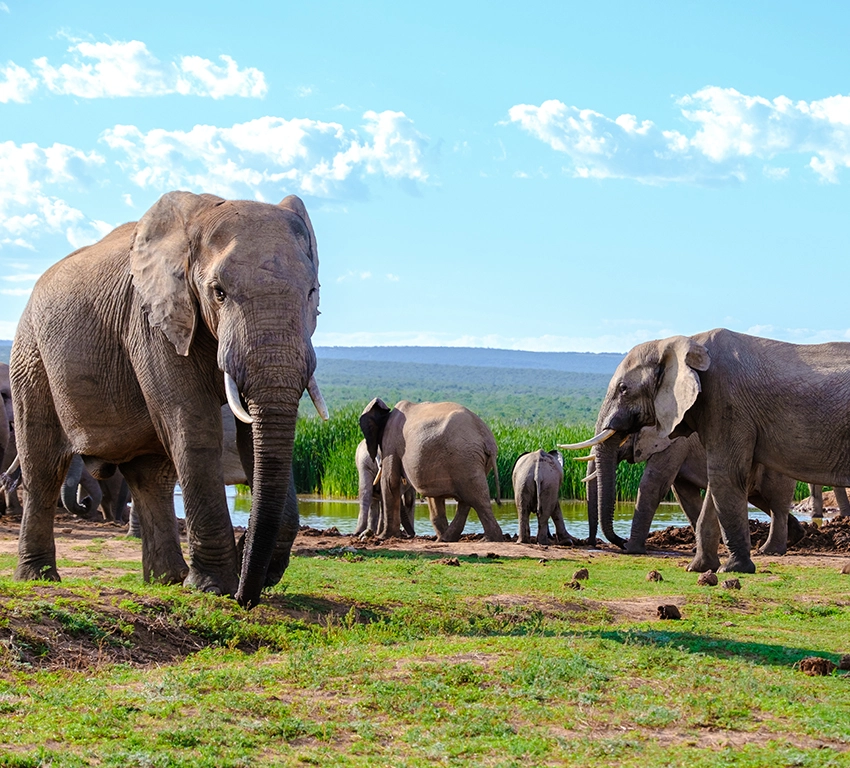
From June into October, the land dries up and animals stick close to rivers and small waterholes. That makes it much easier to find them. Lions spend more time near herds, elephants move in big groups, and you can catch cheetahs scanning the plains. For many people, this is the “safe bet” season.

Africa Safari Trips

The drama of the Great Migration

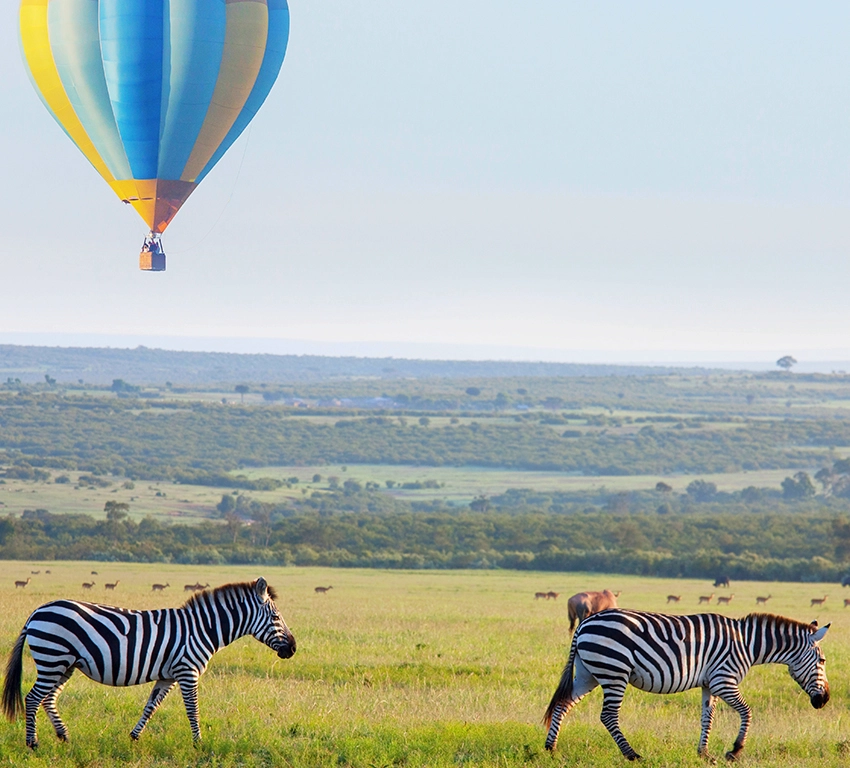
If you’ve ever seen pictures of wildebeest jumping into rivers, that’s usually July and August. The herds push from Tanzania up into Kenya. It’s chaotic, loud, and honestly a little scary when you watch it in person. Many travelers time their Africa safari trips around this moment, and it’s not hard to see why.

Green season has its own magic

November through March brings some rains, and a lot of people skip it. But if you like photography, this might be the time. The land turns fresh and green, and the skies are sharp. February is also calving season in southern Serengeti. Imagine thousands of newborns taking their first steps, and predators waiting close by. It’s a mix of beauty and raw survival.

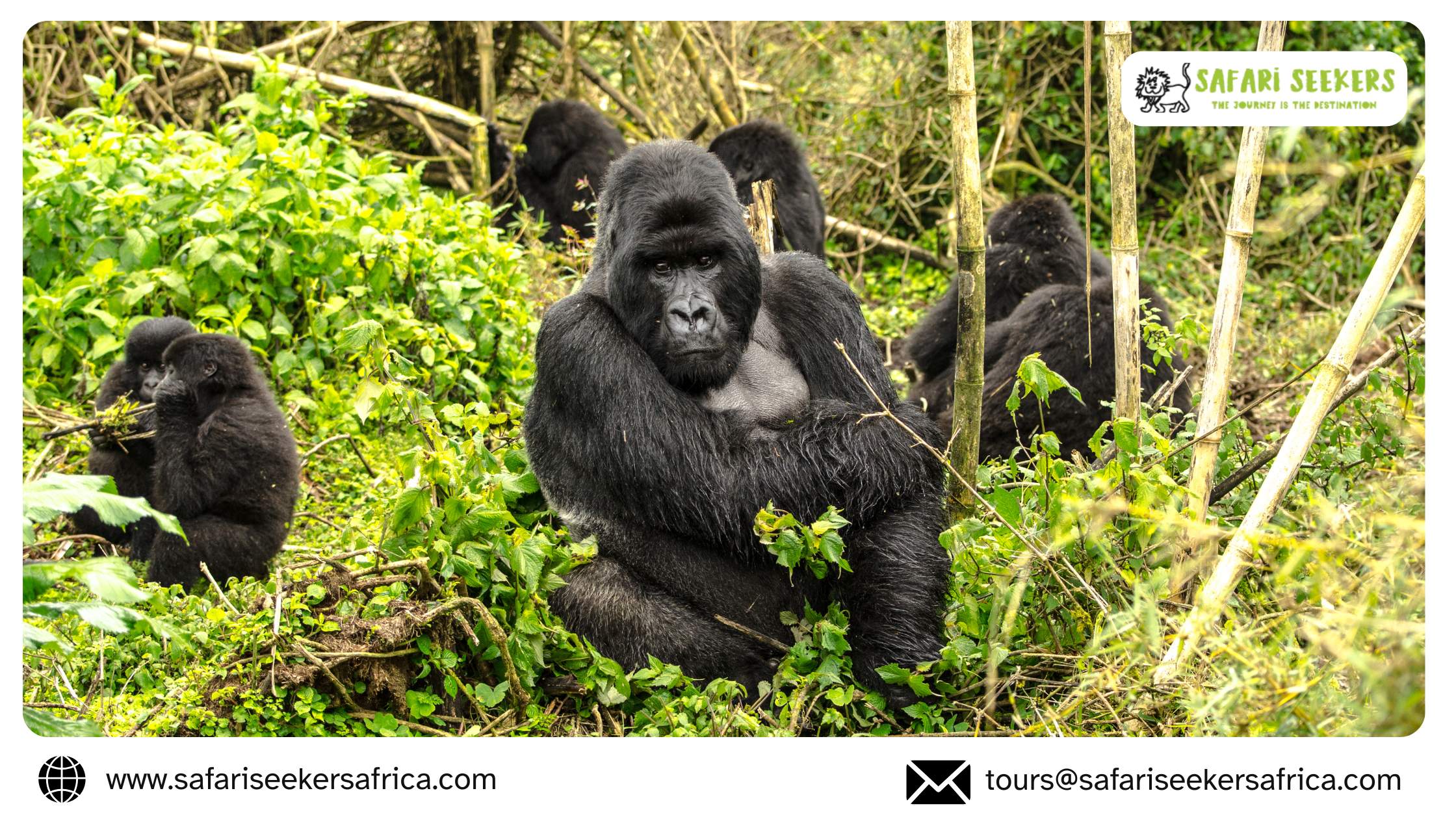
Rwanda for gorilla trekking

For wilderness safaris in Rwanda, the sweet spot is June to September. The trails are less muddy and you’ve got a good chance of steady sightings. Trekking for gorillas is tough but worth it, and Safari Seekers Africa also adds golden monkey trips, which gives a very different feel from the savannah plains.

National Park

Kenya has something all year

African safari tours in Kenya are flexible. July to October is when the Mara is packed with wildlife. January and February are quieter—fewer crowds, nice weather, and good for private game drives. Some people finish their safari with a few days on the coast in Mombasa or Zanzibar. Beach plus bush, not a bad mix.

A few tips before you book

  • July to September fills up quick, so don’t wait too long to reserve.
  • Bring a jacket. Mornings can be cold, even when afternoons get hot.
  • Ask your guide about combining parks, you’ll see a wider range of animals.
  • Think about your must-see list. Is it gorillas? Big cats? Or the migration?

Safari Seekers Africa knows the seasons

The team at Safari Seekers Africa plans trips around these cycles. They work with local guides and know when each park is at its best. From game drives to walking tours, or cultural stops mixed in, they build safaris that match your pace and style.


Essential Photography Tips for Capturing Gorilla Trekking Adventures

If you’re planning photographic safaris in Kenya and thinking of adding gorilla trekking into the trip, you’ll want to come back with photos that tell the story. Seeing gorillas up close is something few people ever get to do.

Taking good photos of them isn’t easy though—the forest is dark, the animals move quick, and the excitement can make your hands shake. Safari Seekers Africa often helps travelers balance the adventure with the photography side.

Bring gear that works in the forest

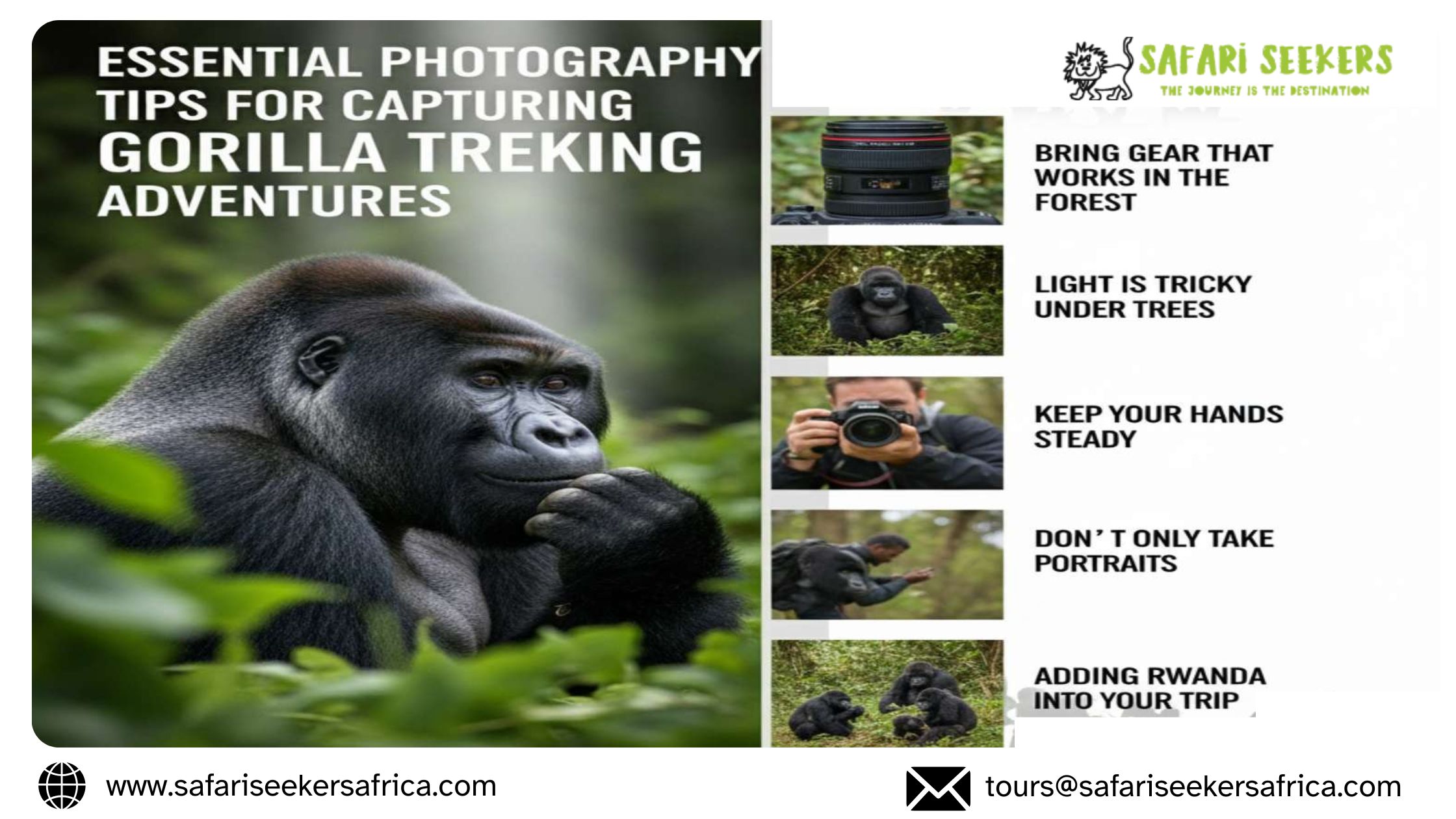
A zoom lens is pretty much needed. Gorillas are close at times but not always. Something around 200–400mm lets you frame them without pushing closer. Extra batteries are a must because charging points in lodges aren’t always there or may be limited. A cheap rain cover or even a plastic bag will save your camera if the skies open up suddenly.

Mountain Gorillas

Light is tricky under the trees

In the forest, light keeps changing. One second it’s bright, the next it’s shadows. Don’t be afraid to raise your ISO higher than you normally would. Yes, you’ll see some grain but you’ll keep the gorilla sharp instead of a blur. Practicing a few shots in dim light before your trip really helps so you don’t fumble when it counts.

Keep your hands steady

Honestly, your heart will be racing when you first see them. It’s easy to mess up shots because of shaky hands. A monopod works if you don’t want to carry a tripod. Or just lean on a tree, breathe, and shoot in small bursts. Usually one out of five frames comes out tack sharp.

Respect the space

Rangers ask visitors to stay back about 7 meters. Stick to it. A good zoom lens brings them close enough in your photos. Remember they are wild animals. A calm group keeps the gorillas relaxed and that gives you better shots anyway.

Don’t only take portraits

Of course, close-ups of the silverback are amazing. But also shoot the small things. A mother grooming her young one. A ranger cutting a path through bamboo. The mist rising behind the family group. These little details give your gallery more life. On Kenya photography safaris, the same rule works—you want the whole story, not only the lions.

Kenya Photography Safaris

Adding Rwanda into your trip

Many travelers pair Africa wildlife safaris with wilderness safaris in Rwanda. You see the wide savannahs one day, then thick forests the next. That contrast makes a stronger set of photos. Safari Seekers Africa arranges permits and guides, which is a big help since gorilla trekking requires planning ahead.

A few small reminders

  • Bring spare memory cards, you’ll use them up quick.
  • Keep a dry bag in your pack.
  • Try some shots early in the morning light if possible.
  • Take breaks. Sometimes it’s worth lowering the camera and just looking.

Safari Seekers Africa has long experience with both photographic safaris in Kenya and gorilla treks across Rwanda and Uganda. They help with the hard parts—permits, guides, and timing—so you can focus on the moments and the photos.