Is the Great Migration the Only Reason to Visit Kenya?

Most safari travelers book flights to Kenya for the spectacle of wildebeest crossing the Mara River. It is dramatic and deserves its fame. However, is it the reason to go? If you are comparing African safari tours in Kenya, you will find far more than a few weeks of river crossings. In fact, the magic often happens when the crowds leave.

What Happens When the Herds Move On?

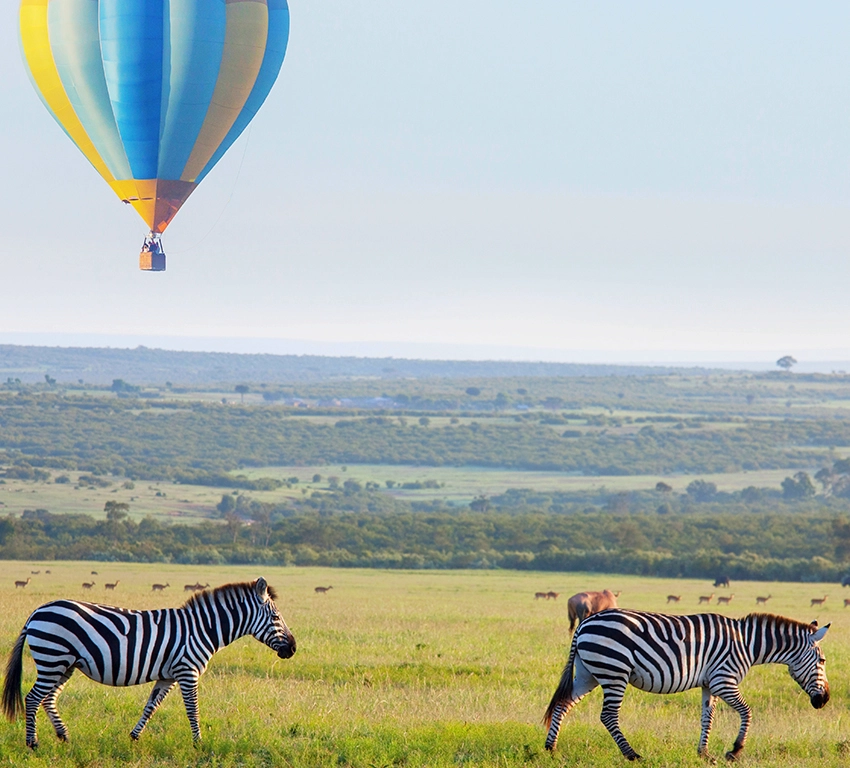
The migration lasts only a few months. Yet the Maasai Mara stays alive throughout the year. Resident lions, cheetahs, and elephants never leave, so sightings stay strong in every season. In fact, most guides prefer the quieter months. Fewer vehicles share every sighting, and predators hunt openly across the plains.

Birdwatchers find plenty to love, since the reserve hosts hundreds of bird species year-round. Travel outside peak season brings lower deals and easier bookings. Safari Seekers Africa offers Africa wild safari itineraries around these windows so that you enjoy wildlife without the crowds.

African Safari Adventures Poster

Where Else Does Kenya Surprise Visitors?

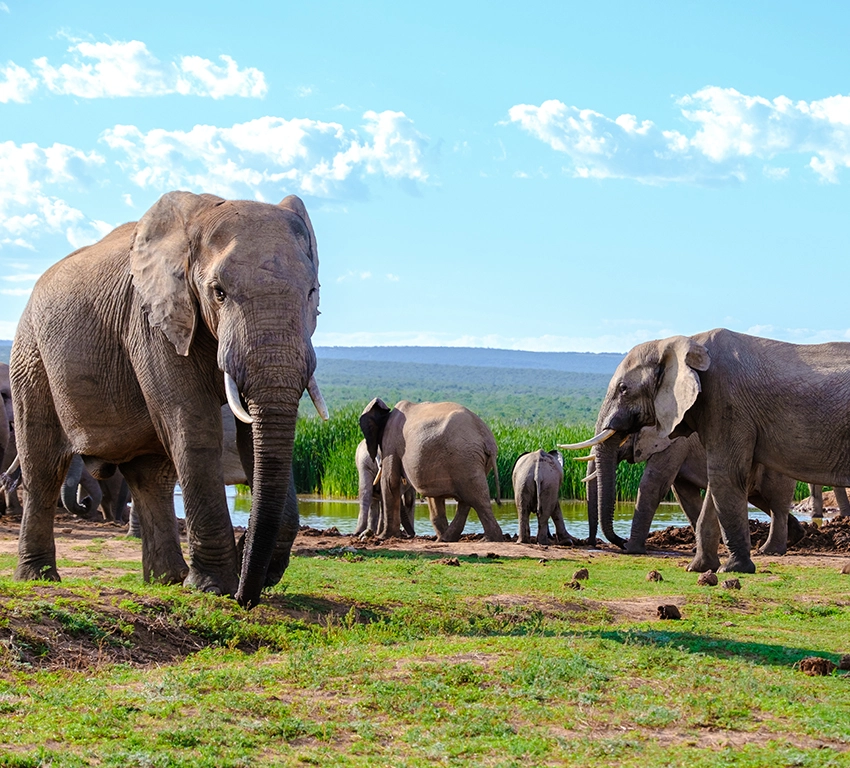
Amboseli offers elephants walking underneath Mount Kilimanjaro. Samburu hosts rare species found nowhere in the Mara, including the Grevy’s zebra and the reticulated giraffe. Meanwhile, Lake Nakuru turns pink with flamingos, and Laikipia protects rhinos in private conservancies.

Samburu’s dry landscapes feel completely different from the green Mara, so the contrast keeps every day fresh. Cultural visits with Maasai and Samburu communities add another layer.

Together, these regions make Kenya one of the most varied destinations throughout the continent. Travelers who want more than one country can combine parks through East Africa safaris, combining Kenya with Tanzania and Uganda in a single journey.

Is Kenya a Photographer’s Dream?

Absolutely, golden light, open horizons, and close encounters turn every game drive into a studio photo session. The terrain feels open so that you can frame animals against dramatic skies.

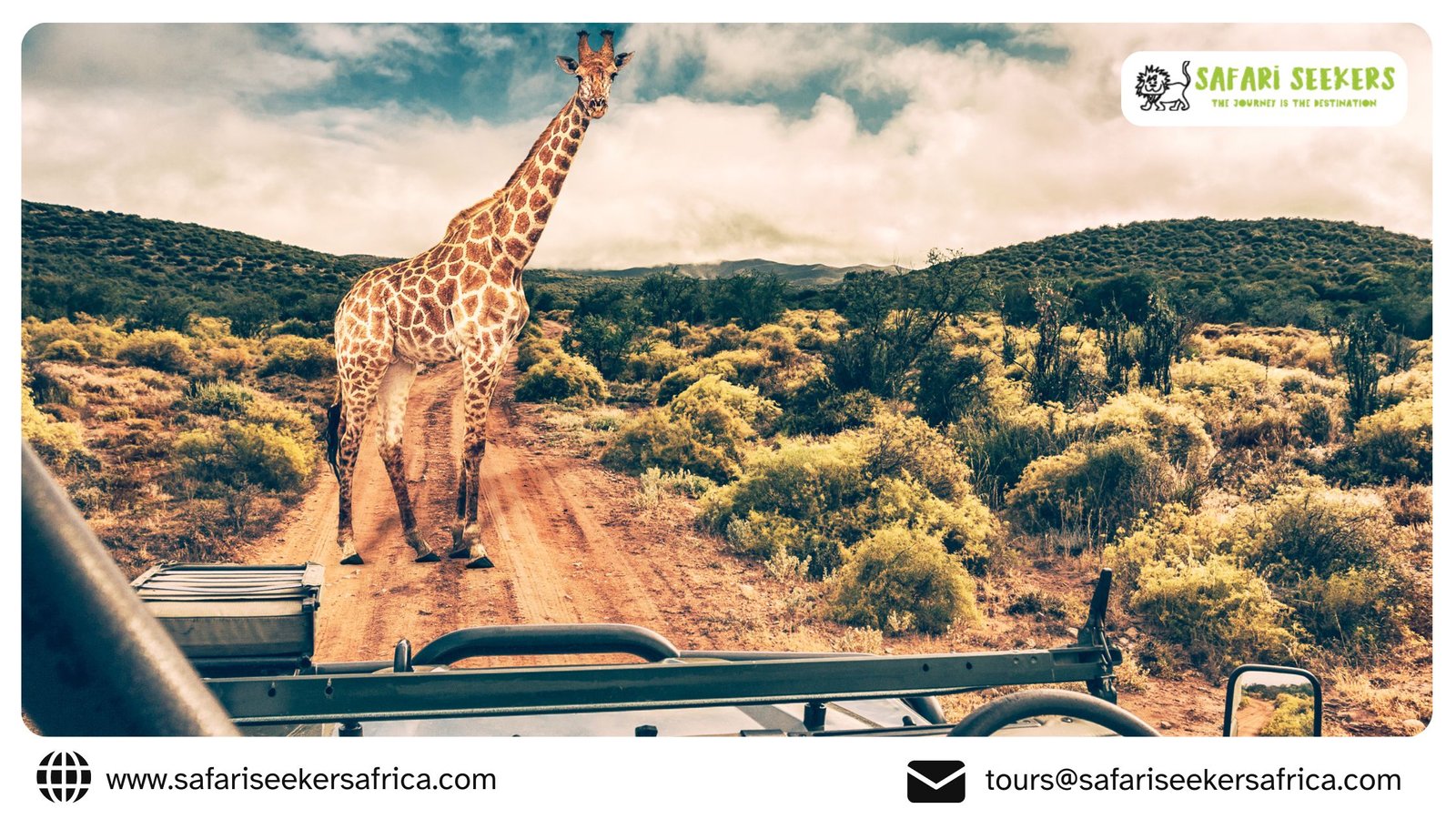
east africa safari

For example, sunrise drives catch lions in soft, golden light, while dusk brings striking silhouettes. Kenya photography safaris offer modified vehicles, flexible schedules, and guides who understand light and animal behavior. As a result, you spend less time chasing a shot and more time creating one. Most beginners leave with portfolio-worthy images.

Why Stop at One Country?

Kenya pairs well with other regions. After the savannah, most travelers head west to track mountain gorillas. Wilderness safaris in Rwanda offer luxury lodges and gorilla encounters that contrast beautifully with Kenya’s open plains.

Wilderness Safaris Rwanda5

Rwanda’s compact size means you can reach the forests quickly. Therefore, one journey can deliver savannah, forest, and primate encounters. In addition, short regional flights make multi-country routes simple to arrange.

So, is the Great Migration the reason to visit Kenya? The answer is clearly not. The wildlife, landscapes, and photography opportunities run throughout the year. Whether you dream of big cats, flamingos, or gorillas, there is a journey waiting for you.

Start planning your journey today and discover the Kenya that most visitors never see. Please contact the Safari Seekers Africa team to plan an itinerary that fits your dates, budget, and sense of adventure.


Why Do First-Time Safari Travelers Regret Booking the Wrong Season?

You’ve saved for years, researched lodges, and picked your dates. After that, you land, drive into the bush, and find the rivers are dry, the grass is shoulder-high, or the animals have moved on. Nothing affects a once-in-a-lifetime trip faster than booking the wrong season. It’s one of the most common regrets among people planning their first wilderness safaris in Rwanda.

The Calendar Matters More Than the Country

Most first-time travelers often choose their destination first and their dates second. In reality, timing often affects the trip more than the destination. A dry-season visit to a national park includes concentrated wildlife sightings around shrinking water sources and clear photographic conditions.

But the same park in the wet season might offer lush scenery but scattered animals hidden in tall vegetation. You should know these rhythms before you book, which makes the difference between a trip that exceeds expectations and one that leaves you wondering what went wrong.

holiday safari in kenya

What “Wrong Season” Looks Like

Regret rarely shows up as a disaster. This often shows up in small disappointments that add up: fewer game sightings, muddy roads that limit access, overcast skies that flatten your photos, or unexpectedly high humidity.

These conditions make long game drives exhausting. Travelers planning Kenya holiday safaris often discover too late that the migration they hoped to witness had already moved to a different region weeks earlier. These aren’t failures of the destination; rather, they’re failures of timing.

Why Photographers Feel the Season Gap Most

If your safari is built around capturing incredible images, season matters even more. Golden light, dust in the air, and animals gathered at waterholes are seasonal phenomena. Safari enthusiasts drawn to photographic safaris in Kenya frequently cite lighting and visibility as more significant factors in their favorite shots than the specific lodge or vehicle they used. Booking without accounting for this can lead to paying premium prices for conditions that work against the very photos you traveled to take.

photographic safari

The Solution Is Simpler Than You Think

Avoiding this regret never requires becoming a climate expert. It requires asking the right questions before you commit to dates. When does the dry season peak? When do migratory patterns change? Which months balance good visibility with fewer crowds? The well-planned wilderness safaris in Rwanda account for these variables from the start, matching your travel dates with the experience you want, rather than leaving it to chance.

Season Awareness Applies Across the Continent

This isn’t unique to a country or park. Anyone comparing Africa wildlife safaris or weighing different Africa safari trips will find that seasonal timing changes the experience just like the location does. The same two weeks that deliver spectacular sightings in a region might be the quietest stretch in another. This is exactly why timing deserves as much attention as choosing where to go.

African safari tour

Plan the Season Before You Plan the Safari

The travelers who walk away thrilled with their safari are rarely the ones who got lucky. Instead, they’re the ones who planned around the calendar, not just the map. If you’re weighing dates for an upcoming safari getaway, please contact Safari Seekers Africa to match your travel window to the sightings, light, and landscapes you’re hoping to experience. So your first safari becomes the trip you dreamed of rather than one you wish you’d timed differently.


Is the ‘Big Five’ Sighting Guaranteed on a Kenya Safari Expedition?

When you scroll through any safari brochure, you’ll see the same promise dressed up in different fonts. The wildlife species like lion, leopard, elephant, buffalo, rhino, and all five are guaranteed, or close enough that the marketing reads that way. It’s a compelling hook, but it’s also not entirely honest. Wildlife doesn’t follow itineraries, and the safari tour operators who imply otherwise are selling a fantasy rather than preparing you for the real, still-extraordinary experience waiting in Kenya’s national parks.

Why “Guaranteed” Is the Wrong Word

The Big Five have earned their name from big-game hunting terminology, but not from being conveniently clustered together for tourists. Rhino sightings, particularly black rhino, are genuinely rare because of low population numbers and their reclusive habits.

Leopards are nocturnal, solitary, and expertly camouflaged. This means even seasoned guides can go days without a confirmed sighting. No reputable operator can promise all five within a fixed window, and any safari tour brochure that does is prioritising the sale over your expectations.

Kenya Photography Safaris

What Improves Your Odds

Your chances aren’t left completely to chance either. Seasoned guides, migration timing, and park selection move the needle considerably. The Maasai Mara National Reserve during the wildebeest migration puts predators and prey in proximity. This site dramatically improves lion and buffalo sightings. But Lewa Conservancy is one of the more reliable spots for rhino due to dedicated protection zones.

This is where the value of properly researched African safari tours in Kenya really shows. Safari agencies with deep regional knowledge route you toward higher-probability areas rather than driving wherever the last group happened to go.

The Experience beyond the Checklist

Some of the most memorable safari moments have nothing to do with ticking boxes. A cheetah stalking through golden grass, a huge herd of elephants crossing at dawn, the sheer scale of the savannah stretching to the horizon- these moments outlast the checklist in people’s memories.

Travellers chasing pure photography opportunities often find more satisfaction booking Kenya photography safaris, which prioritise light, positioning, and patience over frantic five-species pursuit. It’s a different mindset, and often a more rewarding one.

Kenya Photography Safaris

Setting Expectations before You Book

If seeing all five species genuinely matters to your getaway, you should be upfront with your operator about it, and ask hard questions about realistic timing, park choice, and past guest outcomes rather than accepting vague reassurances. It’s worth noting that if Kenya’s parks don’t offer everything you’re after, neighbouring options exist too.

Some travellers combine their itinerary with wilderness safaris in Rwanda for gorilla trekking, or build a broader route through East Africa safaris covering Tanzania and Uganda alongside Kenya. Comparing well-planned Africa safari trips side by side before committing tends to produce far better outcomes than booking on brochure promises alone.

The honest answer is that a Big Five sighting is likely with the right safari guide, timing, and park, but never guaranteed, and any operator telling you otherwise is managing your booking decision more than your expectations. You should go in informed, stay flexible, and let the safari surprise you on its terms. Consider seeking help from Safari Seekers Africa whenever you want to schedule safari getaways.


Safari First or Beach First: Why Does the Order of Your Trip Change Everything?

Most travelers planning a Kenya safari and beach vacation eventually hit the same fork in the road. Do you start inland among the wildlife and finish on the coast, or land on the sand first and save the bush for last? This sounds like a minor logistics question, but the order you choose actually affects the entire rhythm of the trip, your energy levels, your photography, and how much you appreciate every leg once you’re there.

What’s the Case for Safari First

There’s an argument for hitting the savanna while you’re fresh. Game drives start early; often before sunrise, and days can run long with dust, heat, and bumpy roads between camps. Doing this stretch first allows you to tackle the physically demanding part of the trip while you still have the stamina for 5 a.m. wake-up calls. This type of journey builds anticipation nicely.

After days spent tracking lions and elephants across the plains, arriving at the coast feels like a genuine reward rather than a transition into more activity. Most operators running African safari tours in Kenya actually recommend this sequencing specifically because it allows travellers to wind down properly rather than crash from exhaustion.

African safari tour

What’s about The Case for Beach First

On the other hand, starting on the coast has its own logic, especially for travellers arriving from long-haul flights. Landing straight into safari mode after twenty-plus hours of travel can be rough. But jet lag and dawn game drives don’t mix well.

A few days on Diani or Watamu beach first allows you to adjust to the time zone, shake off travel fatigue, and arrive at your safari camps properly rested and alert. This matters when you’re hoping to catch predators at their most active. It’s a gentler entry point, particularly for families or first-time visitors easing into the East Africa safaris itinerary.

east africa safari

What Changes With the Order

The main factor most people overlook is momentum. Safari-first trips tend to build toward relaxation, while ending on a slow, sun-soaked note that’s easy to leave on a high. Beach-first trips build toward adventure that suits travellers who want their trip to peak with adrenaline rather than fade into it.

For anyone booking photographic safaris in Kenya specifically, safari-first is usually the smarter call. Light quality, energy for early shoots, and patience for long waits at watering holes matter more at the start of a trip than at the tail end of one.

photographic safari

So, Which Should You Choose?

There’s no universally “correct” order; only the one that matches how you travel. If you recover quickly and want the beach as a reward, safari first really makes sense. If jet lag hits you hard or you’re travelling with kids who need an easing-in period, beach first can be a more forgiving choice. Either way, the two halves of an East Africa wild safari complement each other beautifully; it’s really just a question of sequencing your energy rather than choosing an experience over the other.

Whichever order you land on, the real win is having both experiences on a trip rather than splitting them across separate holidays. Talk to Safari Seekers Africa about your flight times, fitness level, and what you want the final days to feel like; that’s usually enough to settle the order for you.


What Rwanda’s Safari Guides Never Tell You until You’re On the Trail?

There’s a moment on every Rwanda safari trek when the guide stops talking about gorillas and starts talking about everything else. For example, the way mist moves through bamboo forest, why certain trails are avoided after rainfall, which lodges allow you to hear the jungle at night instead of a generator, etc.

This is the part of Wilderness Safaris Rwanda that rarely makes it into the brochure. It’s what separates a good safari journey from one you talk about for years.

The Terrain Talks — If You Know How to Listen

Rwanda’s volcanic slopes are the living systems that change by the hour. Experienced safari guides read the land the way pilots read weather. However, a subtle change in soil texture signals a muddy descent ahead; a change in birdsong can mean a troop is nearby.

Most visitors never learn this as it isn’t something a map can show you. It’s earned through repetition, through guides who’ve walked the same ridgelines hundreds of times and know them the way you know about your own street.

African Safari Tours in Kenya

Why Timing Becomes More Essential

You can ask any local safari operator, and they’ll tell you that the departure time changes everything. Leave twenty minutes later than recommended; otherwise, you might miss the golden window when primates are most active and least shy.

This is why Africa safari trips are designed at the time when Rwanda tends to schedule such early starts. It’s because the animals genuinely behave differently before the heat sets in. It’s a small detail and the difference between a distant sighting and an encounter that feels personal.

The Comparison Nobody Warns You About

Safari enthusiasts researching options often lump Rwanda into broader East African itineraries, assuming the experience is interchangeable. In reality, it isn’t. Compared with the wide-open plains typical of African safari tours in Kenya, Rwanda is intimate, vertical, and quiet in a way that affects the entire rhythm of a day.

photography safari kenya

There’s less driving, enough walking, and closeness to wildlife that comes from proximity rather than distance. They are just different kinds of immersion, and knowing which one you want matters before you book.

What Your Camera Won’t Capture

Photographers chasing that perfect gorilla portrait often underestimate how quickly light changes under forest canopy. The instinct most travelers bring over from Kenya photography safaris, like wide shots, long lenses, and patient distance; which don’t always translate here.

Rwanda rewards fast reflexes, wider apertures, and a willingness to shoot in bursts. It’s because the window closes quickly. Safari guides who’ve watched hundreds of visitors fumble this moment will often help you learn through it if you simply ask.

The Main Reason People Come Back

It’s rarely the photos most people mention when they talk about Rwanda again. It’s the safari guide who noticed a chameleon nobody else saw, or the silence right before a silverback moved.

Wilderness safaris in Rwanda are not really about ticking a box. Rather, they are about the accumulated small yet precious moments a good guide chooses to share, or doesn’t, depending on how closely you’re focusing on them.

If you’re ready to experience that firsthand, please reach out to Safari Seekers Africa today. Let’s start planning a trip built around those moments, not just the safari tour itinerary.


What Mistake First-Time Wildlife Photographers Make in Kenya?

Travelers arrive in Kenya every year with a camera bag full of gear and a mental image built entirely from documentaries. They include slow-motion cheetah sprints, golden light, and perfectly framed prides of lions.

After that, the first game drive happens, and reality moves faster than expected. The biggest mistake first-timers make is assuming Kenya will wait for them to catch up.

The Trap of Over-Preparing for the Wrong Thing

Most newcomers often spend weeks researching camera settings and barely think about pacing. They arrive obsessing over aperture and ISO and freeze the moment an elephant herd appears closer than expected or a leopard shifts position in three seconds flat.

Kenya photographic safaris reward reflexes far more than perfect technical knowledge. The animals don’t pose, and light doesn’t linger. The traveler who succeeds is the one who’s mentally rehearsed reacting quickly, not just adjusting dials.

east africa safari coast

Why Distance Fools Almost Everyone

Most guides mention it constantly, but photographers rarely believe it until they experience it, i.e., distance in the bush is deceptive. A comfortable fifty meters through a viewfinder can be much closer, and animals read body language, not intentions.

First-timers often lean out of vehicles or make sudden movements while chasing a better angle and being unaware that stillness is what produces the shot they’re after. Seasoned guides on African safari tours in Kenya often teach guests through this exact instinct before it costs them a moment or worse, spooks the animal entirely.
african safari tour kenya

The Light Nobody Warns You About

Kenya’s light changes dramatically within a single hour, and new photographers consistently underestimate how much that changes a shot. Midday sun flattens everything into harsh contrast and the window right after sunrise wraps the landscape in a kind of clarity that’s almost unfair to miss. This is a significant advantage of structuring longer East Africa Safaris. So, more mornings lead to more chances to be present when the light does something extraordinary, rather than hoping to get lucky once.

Comparing Notes – Bush versus Coastline

Photographers who’ve only captured inland terrain are often surprised by how different composition becomes once water enters the frame. An itinerary built around an East Africa safari & coast experience forces a completely different visual rhythm, including wide horizons, reflections, and softer color palettes replacing dust and grass.

east africa safari

It’s a reminder that Kenya isn’t one photographic experience; instead, it’s several, stitched together. The best shots often come from travelers willing to adjust their eye rather than forcing one style everywhere.

What Separates Good Shots From Forgettable Ones

The real lesson most first-timers learn too late is that patience is more essential than preparation. Sitting quietly near a waterhole for twenty unremarkable minutes often leads to the one extraordinary frame. Photographic safaris in Kenya are all about trusting stillness enough to let the moment come to you.

If you’re planning your first trip and want an itinerary built around real photographic opportunities rather than rushed stops, please contact Safari Seekers Africa to design one that gives your camera and your patience; while offering enough room to work.


Could a Safari Change the Way You See Nature Forever?

Most people think that they understand nature. They have watched wildlife documentaries, visited zoos, and seen photographs of lions, elephants, and giraffes. They know what these animals look like and where they live. Then they go on a safari getaway. Suddenly, everything feels different from that perception.

Seeing a herd of elephants moving across an open plain is not the same as watching them on a screen. Hearing a lion’s roar echo across the landscape before sunrise creates a feeling that no photograph can capture. Standing amidst vast wilderness changes the relationship between people and the natural world in a way that is difficult to describe.

So, most travelers return home from East Africa wildlife safaris saying that the experience changed them forever.

Nature Feels Bigger Than You Expected

Modern life often separates people from the natural world. Cities, technology, and busy schedules create distance between daily life and the environments where wildlife lives. That distance disappears on a safari getaway.

Africa Wildlife Safaris

You start to understand how vast nature truly is. The landscapes expand far beyond the horizon, and wild animals move freely without fences. Every day feels unpredictable because the wilderness works according to its own rules.

That sense of scale is the reason why safari experiences leave such a lasting impression. They remind people that the world is larger and interconnected than it sometimes feels.

Every Wildlife Encounter Feels Personal

One surprising aspect of safari travel is how unique every sighting becomes. Every game drive is not exactly the same.

A leopard resting in a tree at dawn, a family of elephants crossing a river, and a cheetah scanning the grasslands for movement are the moments that cannot be scheduled or guaranteed. It’s because they happen naturally that they feel more meaningful.

This is especially true during Kenya photographic safaris. That’s when travelers spend time observing animal behavior rather than rushing from one attraction to another. The experience encourages patience, awareness, and appreciation for the wildlife being observed.

Photographic Safaris

Often, the best photographs are a bonus to the memories created along the way.

Kenya Offers More Than Wildlife

Most travelers initially visit Kenya for the animals.

They often surprise how much more they discover. For example, the landscapes vary dramatically, from sweeping savannahs to dramatic escarpments and pristine coastlines. Local cultures add richness to the experience and provide insight into traditions that have existed for generations.

However, Kenya holiday safaris often combine wildlife encounters with cultural experiences and create an adventurous and meaningful journey.

Balancing Adventure and Relaxation Perfectly

Every safari doesn’t need to be action-packed from beginning to end.

Many travelers choose a Kenya safari and beach vacation because of its best-of-both-worlds experience. After days spent exploring national parks and wildlife reserves, relaxing beside the Indian Ocean gives a different perspective on the country.

Safari and Beach Vacation

One day can start with a game drive among elephants and end with a sunset overlooking the coastline. Those moments stay with vacationers long after they return home.

Some Journeys Stay With You Forever

A safari often creates something more than just memories. A safari tour changes how people view wildlife, conservation, and the natural world. Travelers return home appreciating ecosystems and animal behavior. They understand the importance of protecting these extraordinary environments for future generations.

At Safari Seekers Africa, we want to help travelers experience the wonder that makes Africa safari trips so transformative. Sometimes one journey really can change the way you see nature forever. Once you have experienced the wild in its purest form, it is difficult to look at the world quite the same way again.


The First Morning on Safari: When the Wild Wakes You Gently

The first morning during a safari getaway doesn’t begin with an alarm; rather, it begins with sound. It’s about a distant call you don’t recognize, the birdsong that feels sharper than usual, and the soft rustle of wind moving through open land. For a moment, you just listen to the wild.

This is often how Kenya holiday safaris really begin, with a quiet awareness that you’re somewhere completely different.

The Light Feels Different Here

When you step outside, the first thing you notice is how the light falls. The light feels soft, low, and unhurried without any rush in it and harshness. The light spreads slowly across the landscape, revealing shapes instead of flooding them.

The horizon expands further than expected, and the air feels still, but not empty. This is the part people never talk about when they imagine Africa safari trips. It’s the stillness before anything happens and the space before movement.

africa safari trip

Before the Engines Start

Somewhere in the distance, you’ll listen to the first vehicle preparing for the day i.e. a door closes; a quiet voice carries across the camp, and footsteps on dry earth.

But even then, nothing feels hurried as there’s time to hold a warm cup in your hands, sit without speaking, and notice how the world wakes up without needing your attention. This pause is a part of the experience.

On many East Africa safaris, the early hours are a moment of adjustment. They are about the gentle change from your usual pace into something slower, more observant.

The Presence You Can’t Quite See

Before you spot anything, you sense a movement in the distance, a shape that doesn’t belong to the stillness and tracks in the ground that weren’t there yesterday. The wild never announces itself loudly and reveals itself in fragments.

kenay photo graphy

That’s what makes the first morning unique from every morning after. You’re simply learning how to see.

And sometimes, for those drawn to detail, this becomes the beginning of something more intentional like Kenya photography safaris. These tours are where patience matters more than speed, and observation becomes its own reward.

A Different Kind of Awareness

Back home, mornings feel structured. There’s a specific routine, a timeline, and a reason to hurry. Here, it feels different as you notice small things, the way shadows stretch across the ground, the rhythm of distant calls echoing across open space, and the feeling that the day doesn’t need to be forced into motion. This change is subtle, but it stays with you.

The Beginning of Something You Can’t Rush

Eventually, the drive starts, engines start, and voices become a little louder.

The day moves forward. But that first quiet hour— the one filled with unfamiliar sounds and soft light lingers much longer than expected. This becomes the part you remember.

Kenya holiday safaris are about how you begin to feel, i.e., present, unhurried, and aware of a world that doesn’t need to be explained. And it all begins with that first morning. Consider checking out available safari tours and itineraries at Safari Seekers Africa and choose the right one for your safari preferences.


African Safari Costs Explained: What Travellers Should Budget

Planning a safari is exciting. But sooner or later most travellers ask the same question: what does it actually cost? The African safari cost can vary a lot depending on where you go, how long you stay, and the kind of experience you’re after.

Planning a safari and wondering what your options might cost? Get a free estimate today.

Some travellers imagine safaris as ultra-luxury trips only. That’s not always the case. In reality, there are many different ways to structure a safari depending on your priorities and budget.

Why Safaris Cost More Than Typical Holidays

A safari isn’t really comparable to a normal vacation. You’re travelling through protected wildlife areas, often quite remote, with trained guides and specialised vehicles.

A lot of the safari travel expenses go into things travellers don’t always see directly.

safari travel expenses


For example:

  • conservation and park entry fees
  • professional guides and drivers
  • wildlife-ready safari vehicles
  • logistics between national parks

Those costs help maintain the ecosystems where wildlife lives. It’s part of why safaris feel so different from standard tours.

Lodges and Camps Change the Budget

  • Accommodation has a huge influence on the overall African safari cost. Honestly… this is usually the biggest factor.
  • Across East Africa you’ll generally find three types.
  • Budget tented camps that keep things simple but comfortable.
  • Mid-range safari lodges with good food, comfortable rooms, and excellent park access.
  • And then there are luxury lodges — private decks, incredible views, sometimes even animals walking past the property.
  • These variations explain why many travellers compare luxury safari vs budget safari options before choosing an itinerary.

Park Fees Add Up

National parks across Kenya and neighbouring countries charge conservation fees. These fees help protect wildlife habitats and fund rangers.

If you’re browsing a Kenya safari price guide, you’ll often notice that visiting several parks increases the overall cost.

But the trade-off is worth it. Different parks mean different wildlife experiences.

East Africa Safaris

Travel Style Also Shapes the Cost

Another thing people sometimes overlook is how travel style affects the African safari cost.

Private trips offer flexibility and comfort but cost a bit more. Shared group safaris usually lower the daily rate.

Many travellers exploring East Africa Safaris end up choosing a balance between the two depending on their travel style.
Safari Seekers Africa, for example, often builds itineraries that mix popular wildlife parks with quieter regions. That kind of planning can make the trip feel less rushed.

Quick Take: What Many First-Time Travellers Miss

One small thing that surprises people… driving distances between parks can be longer than expected.

Good itinerary design matters more than most people realise. A well-planned route means less time travelling and more time actually seeing wildlife.

Specialised Safari Experiences

Certain types of safaris can influence your budget as well.

Wildlife photographers sometimes choose dedicated Photographic Safaris in Kenya, where vehicles are adapted for camera equipment and guides help position vehicles for the best lighting.

These trips are more specialised, but for photography enthusiasts they’re often the highlight of the journey.

What Should You Budget?

When people start their safari budget planning, they usually look at a few common trip lengths:

  • 3–5 days for shorter safari experiences.
  • 6–8 days for classic wildlife itineraries.
  • 10+ days for travellers exploring multiple regions or countries.

Some visitors specifically look for African Safari Tours in Kenya because the country offers several iconic parks within manageable travel distance.

Photographic Safaris in Kenya


FAQs

Is an African safari expensive?

It can be, but not every safari is ultra-luxury. There are mid-range and budget options depending on the type of lodges and itinerary.

What influences safari prices the most?

Accommodation type, trip length, and number of national parks visited usually have the biggest impact.

Are safari packages customizable?

Yes. Most safari companies adjust routes, lodges, and activities depending on traveller preferences.

Is it worth spending more for better lodges?

For many travellers, comfortable lodges in good wildlife areas significantly improve the overall experience.

Can first-time travellers plan a safari easily?

Yes, but working with experienced safari planners often simplifies the process.

Bottom Line

The truth is, the African safari cost isn’t one fixed number. It depends on the type of experience you want and how your itinerary is designed.

With the right planning, travellers can find a balance between budget, comfort, and wildlife experiences. Companies like Safari Seekers Africa specialise in helping visitors explore different safari options while keeping the journey well organised and enjoyable.

Planning a safari and wondering what your options might cost? Get a free estimate today.


When Does a Journey Feels Like More Than Just Travel?

Some journeys are easy to describe. You list the places, share the photos on social media, and just move on. But some journeys stay with you much longer than expected. They are not because they were busy, or not because they were packed with plans. But these trips felt complete.

When It’s Not Just About Where You Go?

Travel often focuses on specific destinations, i.e., about one place, one experience, and one kind of landscape. But the journeys that feel different don’t remain in a setting. They move from one environment to another and from one pace to the next. And somewhere along the way, you begin to notice a change, not just in the scenery, but in how you experience it.

Kenya Safari and Beach Vacation

Starting in the Wild

There’s a stillness that comes with being in nature like early mornings, open land, and the quiet rhythm of wildlife moving without urgency. The nature slows you down, so you begin to pay attention to small details and moments that don’t ask for anything except your presence.

Experiences like wilderness safaris in Rwanda offer that kind of connection. They are not loud or overwhelming, but deeply grounded. You don’t rush through it; rather, you settle into it.

Letting the Journey Unfold

When the days pass, something changes. You stop checking the time and stop thinking about what’s next. The experience starts feeling less structured and more natural.

This is where a Kenya safari and beach vacation brings a unique kind of balance. This safari doesn’t replace one experience with another, but extends it. The energy changes—from exploration to ease without losing the sense of connection that you’ve already found.

When the Landscape Softens?

  • After the movement of the safari, the coast feels slower and quieter in its own way.
  • The exceptional sound of waves replaces the sounds of the wild. The pace softens without getting still. This transition truly defines an East Africa safari & coast journey.
  • It’s about continuity; i.e., moving from one meaningful experience into another without breaking the flow.

The Space to Take It All In

The end of the journey often gets overlooked. Travelers often focus on where they start and what they see along the way. But the ending of the journey matters just as much.

Time by the coast gives you enough space to reflect, to slow down even further, and to let everything settle. It’s the place where the journey becomes clear in how everything fits together.