Why Do East African Game Drives Feel Authentic Than Others?

Watching wildlife in its natural habitat without distractions is simply unforgettable. Instead of staged encounters or crowded viewing platforms, East Africa offers expansive landscapes where nature follows its own rhythm.

From open savannahs to lush forests, every game drive feels different because no two days in the wilderness are ever the same.

This is one reason why travelers continue choosing East Africa wildlife safaris when they want an experience that feels genuine rather than predictable.

Wildlife Behaves Naturally

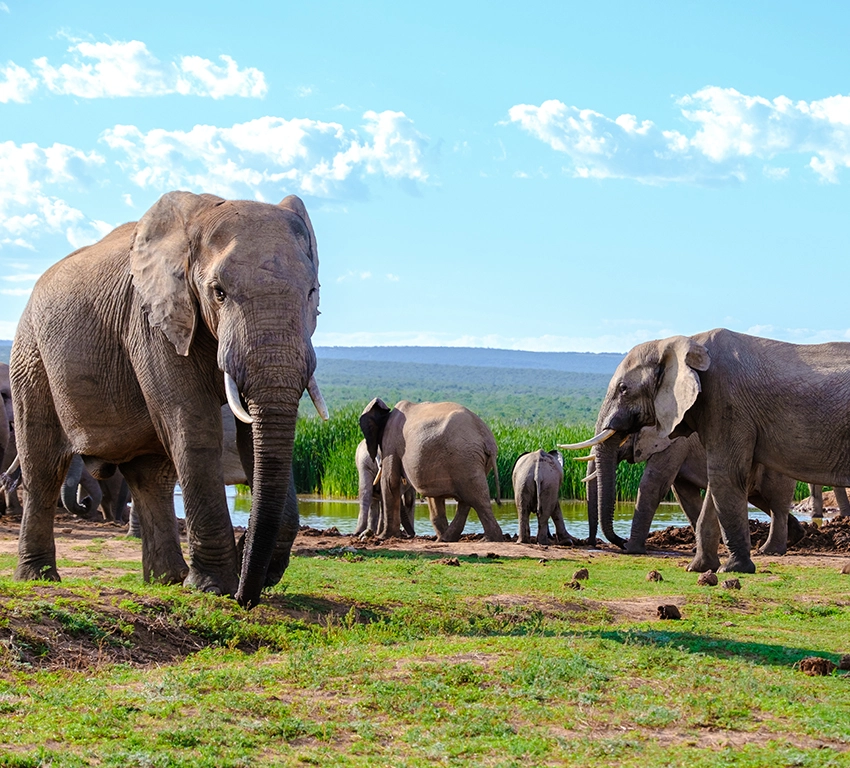
Authentic game drives are not built around guaranteed sightings; instead, they allow visitors to witness animals living as they always have. Lions rest under the acacia trees after a successful hunt, elephants gather around watering holes, and giraffes move gracefully throughout the open plains.

Guides understand animal behavior and know where wildlife is likely to appear, but they respect the natural environment. Rather than rushing from one sighting to another, they encourage their guests to appreciate the ecosystem, including birds, plants, and smaller animals that are often overlooked.

East Africa Safari

Diverse Landscapes Add Variety

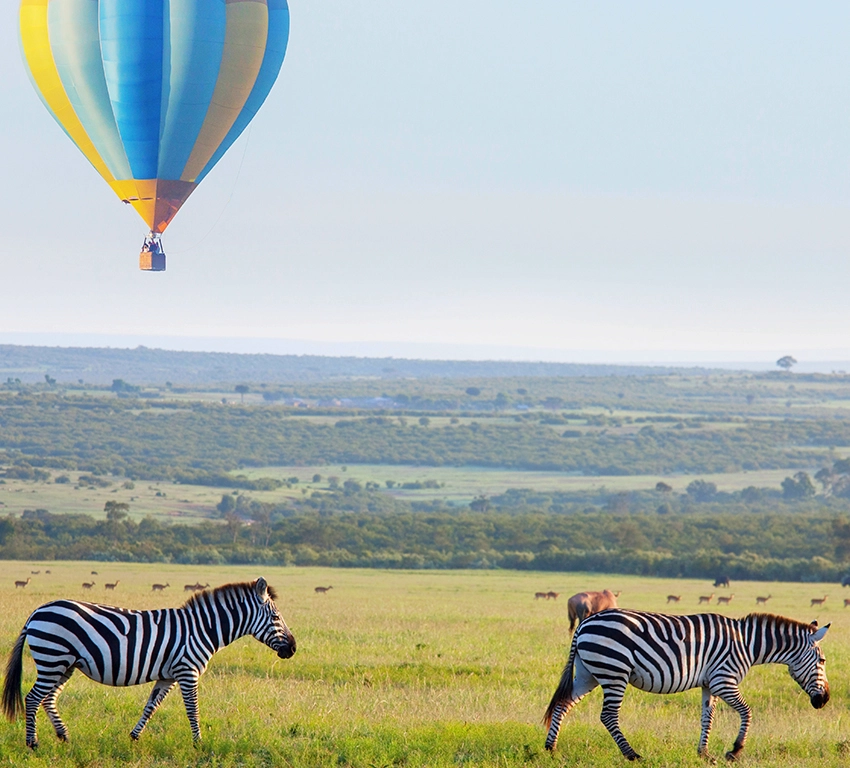
East Africa is known for its incredible diversity, so a journey may include sweeping grasslands, volcanic highlands, freshwater lakes, mountain forests, and coastal regions. Every environment supports different species and creates unique opportunities for wildlife viewing.

Travelers who combine a safari with relaxing coastal destinations often enjoy the best of both worlds through an East Africa safari & coast itinerary. After exciting days tracking wildlife, they can unwind beside the Indian Ocean while reflecting on the safari adventure.

The changing scenery keeps every day interesting and makes the journey feel much larger than a traditional wildlife tour.

Experienced Local Guides Make the Difference

The main strength of East African safaris is the quality of the guides. Most of them have spent decades exploring the same parks and reserves, developing an exceptional understanding of animal movements, seasonal changes, and local ecosystems.

Their knowledge can transform every drive into an educational experience. Instead of pointing out wildlife, they explain animal behavior, conservation efforts, migration patterns, and fascinating details that visitors might otherwise miss.

These stories can help travelers connect more deeply with both the wildlife and the surrounding environment.

Wildlife Encounters Feel Unscripted

Unlike attractions that follow strict schedules, game drives depend on nature. Some mornings start with elephants crossing the road, while others reward patient visitors with a leopard resting in a tree after hours of searching.

These unexpected moments often become the highlights of the journey because they cannot be planned or recreated. Every successful sighting feels garnered through patience and careful observation. That sense of discovery is the main reason why guests return to East Africa again and again.

Beach Vacation

Combine Adventure with Other Experiences

Most travelers choose to extend their adventure beyond traditional game drives. A Kenya safari and beach vacation allows visitors to balance exciting wildlife encounters with peaceful days along beautiful beaches, creating a well-rounded holiday suitable for couples, families, and honeymooners.

Others prefer unforgettable gorilla trekking experiences offered through wilderness safaris in Rwanda, where forests provide opportunities to observe mountain gorillas in their natural habitat. Combining different destinations helps visitors to experience the remarkable diversity that East Africa has to offer.

A Journey That Leaves Lasting Memories

Authenticity comes from allowing surrounding nature to take the lead. East African game drives offer genuine wildlife encounters, knowledgeable guides, breathtaking landscapes, and unforgettable moments that unfold naturally rather than according to a schedule.

Whether watching the sunrise across the savannah, listening to distant lion calls, or witnessing elephants moving quietly through the landscape, every experience seems personal. It is the combination of wilderness, conservation, and adventure that continues to make East Africa one of the world’s most rewarding safari destinations. Consider planning with Safari Seekers Africa and let the professionals handle your safari preferences.


What Rwanda’s Safari Guides Never Tell You until You’re On the Trail?

There’s a moment on every Rwanda safari trek when the guide stops talking about gorillas and starts talking about everything else. For example, the way mist moves through bamboo forest, why certain trails are avoided after rainfall, which lodges allow you to hear the jungle at night instead of a generator, etc.

This is the part of Wilderness Safaris Rwanda that rarely makes it into the brochure. It’s what separates a good safari journey from one you talk about for years.

The Terrain Talks — If You Know How to Listen

Rwanda’s volcanic slopes are the living systems that change by the hour. Experienced safari guides read the land the way pilots read weather. However, a subtle change in soil texture signals a muddy descent ahead; a change in birdsong can mean a troop is nearby.

Most visitors never learn this as it isn’t something a map can show you. It’s earned through repetition, through guides who’ve walked the same ridgelines hundreds of times and know them the way you know about your own street.

African Safari Tours in Kenya

Why Timing Becomes More Essential

You can ask any local safari operator, and they’ll tell you that the departure time changes everything. Leave twenty minutes later than recommended; otherwise, you might miss the golden window when primates are most active and least shy.

This is why Africa safari trips are designed at the time when Rwanda tends to schedule such early starts. It’s because the animals genuinely behave differently before the heat sets in. It’s a small detail and the difference between a distant sighting and an encounter that feels personal.

The Comparison Nobody Warns You About

Safari enthusiasts researching options often lump Rwanda into broader East African itineraries, assuming the experience is interchangeable. In reality, it isn’t. Compared with the wide-open plains typical of African safari tours in Kenya, Rwanda is intimate, vertical, and quiet in a way that affects the entire rhythm of a day.

photography safari kenya

There’s less driving, enough walking, and closeness to wildlife that comes from proximity rather than distance. They are just different kinds of immersion, and knowing which one you want matters before you book.

What Your Camera Won’t Capture

Photographers chasing that perfect gorilla portrait often underestimate how quickly light changes under forest canopy. The instinct most travelers bring over from Kenya photography safaris, like wide shots, long lenses, and patient distance; which don’t always translate here.

Rwanda rewards fast reflexes, wider apertures, and a willingness to shoot in bursts. It’s because the window closes quickly. Safari guides who’ve watched hundreds of visitors fumble this moment will often help you learn through it if you simply ask.

The Main Reason People Come Back

It’s rarely the photos most people mention when they talk about Rwanda again. It’s the safari guide who noticed a chameleon nobody else saw, or the silence right before a silverback moved.

Wilderness safaris in Rwanda are not really about ticking a box. Rather, they are about the accumulated small yet precious moments a good guide chooses to share, or doesn’t, depending on how closely you’re focusing on them.

If you’re ready to experience that firsthand, please reach out to Safari Seekers Africa today. Let’s start planning a trip built around those moments, not just the safari tour itinerary.


What Mistake First-Time Wildlife Photographers Make in Kenya?

Travelers arrive in Kenya every year with a camera bag full of gear and a mental image built entirely from documentaries. They include slow-motion cheetah sprints, golden light, and perfectly framed prides of lions.

After that, the first game drive happens, and reality moves faster than expected. The biggest mistake first-timers make is assuming Kenya will wait for them to catch up.

The Trap of Over-Preparing for the Wrong Thing

Most newcomers often spend weeks researching camera settings and barely think about pacing. They arrive obsessing over aperture and ISO and freeze the moment an elephant herd appears closer than expected or a leopard shifts position in three seconds flat.

Kenya photographic safaris reward reflexes far more than perfect technical knowledge. The animals don’t pose, and light doesn’t linger. The traveler who succeeds is the one who’s mentally rehearsed reacting quickly, not just adjusting dials.

east africa safari coast

Why Distance Fools Almost Everyone

Most guides mention it constantly, but photographers rarely believe it until they experience it, i.e., distance in the bush is deceptive. A comfortable fifty meters through a viewfinder can be much closer, and animals read body language, not intentions.

First-timers often lean out of vehicles or make sudden movements while chasing a better angle and being unaware that stillness is what produces the shot they’re after. Seasoned guides on African safari tours in Kenya often teach guests through this exact instinct before it costs them a moment or worse, spooks the animal entirely.
african safari tour kenya

The Light Nobody Warns You About

Kenya’s light changes dramatically within a single hour, and new photographers consistently underestimate how much that changes a shot. Midday sun flattens everything into harsh contrast and the window right after sunrise wraps the landscape in a kind of clarity that’s almost unfair to miss. This is a significant advantage of structuring longer East Africa Safaris. So, more mornings lead to more chances to be present when the light does something extraordinary, rather than hoping to get lucky once.

Comparing Notes – Bush versus Coastline

Photographers who’ve only captured inland terrain are often surprised by how different composition becomes once water enters the frame. An itinerary built around an East Africa safari & coast experience forces a completely different visual rhythm, including wide horizons, reflections, and softer color palettes replacing dust and grass.

east africa safari

It’s a reminder that Kenya isn’t one photographic experience; instead, it’s several, stitched together. The best shots often come from travelers willing to adjust their eye rather than forcing one style everywhere.

What Separates Good Shots From Forgettable Ones

The real lesson most first-timers learn too late is that patience is more essential than preparation. Sitting quietly near a waterhole for twenty unremarkable minutes often leads to the one extraordinary frame. Photographic safaris in Kenya are all about trusting stillness enough to let the moment come to you.

If you’re planning your first trip and want an itinerary built around real photographic opportunities rather than rushed stops, please contact Safari Seekers Africa to design one that gives your camera and your patience; while offering enough room to work.