Is the ‘Big Five’ Sighting Guaranteed on a Kenya Safari Expedition?

When you scroll through any safari brochure, you’ll see the same promise dressed up in different fonts. The wildlife species like lion, leopard, elephant, buffalo, rhino, and all five are guaranteed, or close enough that the marketing reads that way. It’s a compelling hook, but it’s also not entirely honest. Wildlife doesn’t follow itineraries, and the safari tour operators who imply otherwise are selling a fantasy rather than preparing you for the real, still-extraordinary experience waiting in Kenya’s national parks.

Why “Guaranteed” Is the Wrong Word

The Big Five have earned their name from big-game hunting terminology, but not from being conveniently clustered together for tourists. Rhino sightings, particularly black rhino, are genuinely rare because of low population numbers and their reclusive habits.

Leopards are nocturnal, solitary, and expertly camouflaged. This means even seasoned guides can go days without a confirmed sighting. No reputable operator can promise all five within a fixed window, and any safari tour brochure that does is prioritising the sale over your expectations.

Kenya Photography Safaris

What Improves Your Odds

Your chances aren’t left completely to chance either. Seasoned guides, migration timing, and park selection move the needle considerably. The Maasai Mara National Reserve during the wildebeest migration puts predators and prey in proximity. This site dramatically improves lion and buffalo sightings. But Lewa Conservancy is one of the more reliable spots for rhino due to dedicated protection zones.

This is where the value of properly researched African safari tours in Kenya really shows. Safari agencies with deep regional knowledge route you toward higher-probability areas rather than driving wherever the last group happened to go.

The Experience beyond the Checklist

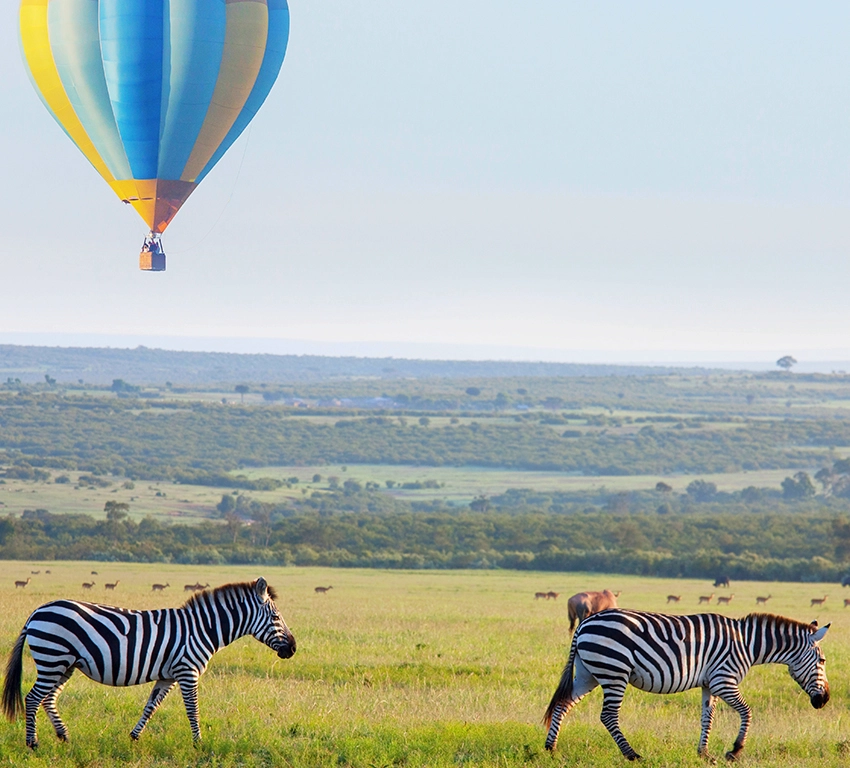
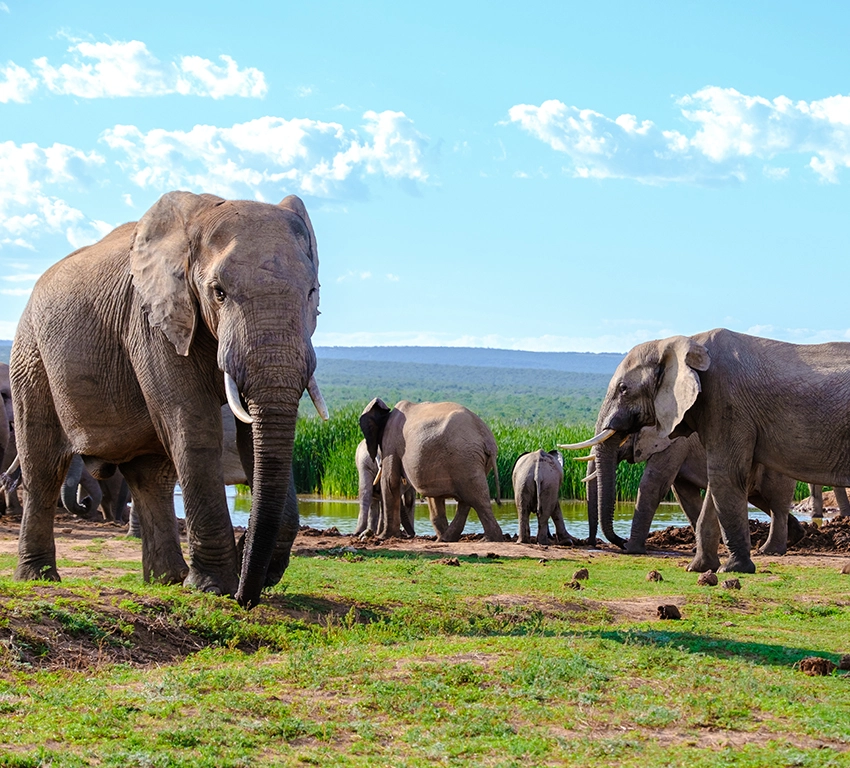
Some of the most memorable safari moments have nothing to do with ticking boxes. A cheetah stalking through golden grass, a huge herd of elephants crossing at dawn, the sheer scale of the savannah stretching to the horizon- these moments outlast the checklist in people’s memories.

Travellers chasing pure photography opportunities often find more satisfaction booking Kenya photography safaris, which prioritise light, positioning, and patience over frantic five-species pursuit. It’s a different mindset, and often a more rewarding one.

Kenya Photography Safaris

Setting Expectations before You Book

If seeing all five species genuinely matters to your getaway, you should be upfront with your operator about it, and ask hard questions about realistic timing, park choice, and past guest outcomes rather than accepting vague reassurances. It’s worth noting that if Kenya’s parks don’t offer everything you’re after, neighbouring options exist too.

Some travellers combine their itinerary with wilderness safaris in Rwanda for gorilla trekking, or build a broader route through East Africa safaris covering Tanzania and Uganda alongside Kenya. Comparing well-planned Africa safari trips side by side before committing tends to produce far better outcomes than booking on brochure promises alone.

The honest answer is that a Big Five sighting is likely with the right safari guide, timing, and park, but never guaranteed, and any operator telling you otherwise is managing your booking decision more than your expectations. You should go in informed, stay flexible, and let the safari surprise you on its terms. Consider seeking help from Safari Seekers Africa whenever you want to schedule safari getaways.


Safari First or Beach First: Why Does the Order of Your Trip Change Everything?

Most travelers planning a Kenya safari and beach vacation eventually hit the same fork in the road. Do you start inland among the wildlife and finish on the coast, or land on the sand first and save the bush for last? This sounds like a minor logistics question, but the order you choose actually affects the entire rhythm of the trip, your energy levels, your photography, and how much you appreciate every leg once you’re there.

What’s the Case for Safari First

There’s an argument for hitting the savanna while you’re fresh. Game drives start early; often before sunrise, and days can run long with dust, heat, and bumpy roads between camps. Doing this stretch first allows you to tackle the physically demanding part of the trip while you still have the stamina for 5 a.m. wake-up calls. This type of journey builds anticipation nicely.

After days spent tracking lions and elephants across the plains, arriving at the coast feels like a genuine reward rather than a transition into more activity. Most operators running African safari tours in Kenya actually recommend this sequencing specifically because it allows travellers to wind down properly rather than crash from exhaustion.

African safari tour

What’s about The Case for Beach First

On the other hand, starting on the coast has its own logic, especially for travellers arriving from long-haul flights. Landing straight into safari mode after twenty-plus hours of travel can be rough. But jet lag and dawn game drives don’t mix well.

A few days on Diani or Watamu beach first allows you to adjust to the time zone, shake off travel fatigue, and arrive at your safari camps properly rested and alert. This matters when you’re hoping to catch predators at their most active. It’s a gentler entry point, particularly for families or first-time visitors easing into the East Africa safaris itinerary.

east africa safari

What Changes With the Order

The main factor most people overlook is momentum. Safari-first trips tend to build toward relaxation, while ending on a slow, sun-soaked note that’s easy to leave on a high. Beach-first trips build toward adventure that suits travellers who want their trip to peak with adrenaline rather than fade into it.

For anyone booking photographic safaris in Kenya specifically, safari-first is usually the smarter call. Light quality, energy for early shoots, and patience for long waits at watering holes matter more at the start of a trip than at the tail end of one.

photographic safari

So, Which Should You Choose?

There’s no universally “correct” order; only the one that matches how you travel. If you recover quickly and want the beach as a reward, safari first really makes sense. If jet lag hits you hard or you’re travelling with kids who need an easing-in period, beach first can be a more forgiving choice. Either way, the two halves of an East Africa wild safari complement each other beautifully; it’s really just a question of sequencing your energy rather than choosing an experience over the other.

Whichever order you land on, the real win is having both experiences on a trip rather than splitting them across separate holidays. Talk to Safari Seekers Africa about your flight times, fitness level, and what you want the final days to feel like; that’s usually enough to settle the order for you.